



TUCSON, Ariz. (KGUN) — A coalition of downtown Tucson bars and restaurants is expanding a shared security initiative designed to deter disruptive behavior and improve public safety following a July 19 mass shooting that injured nine people and renewed concerns about safety in the city's entertainment district.
The program, known as Together Tucson, allows participating businesses to share information about patrons who use fraudulent identification or engage in disruptive behavior. Organizers say the effort is intended to give downtown operators another tool to identify repeat offenders while allowing each business to maintain control over how the system is used.
NEW INFO: Officer who took down suspect identified; more details
Downtown Tucson Partnership President and CEO Crystal Moore said the initiative began more than a year ago with three downtown nightlife venues and has since expanded to include 17 participating operators.
"As soon as these merchants started working together, they were linked together and you could take people for misbehaving," Moore said.
She said the program represents an unprecedented level of cooperation among downtown businesses.
"The 17 operators downtown are setting aside operational differences or not wanting to compete with each other," Moore said. "Everyone is going to be successful."
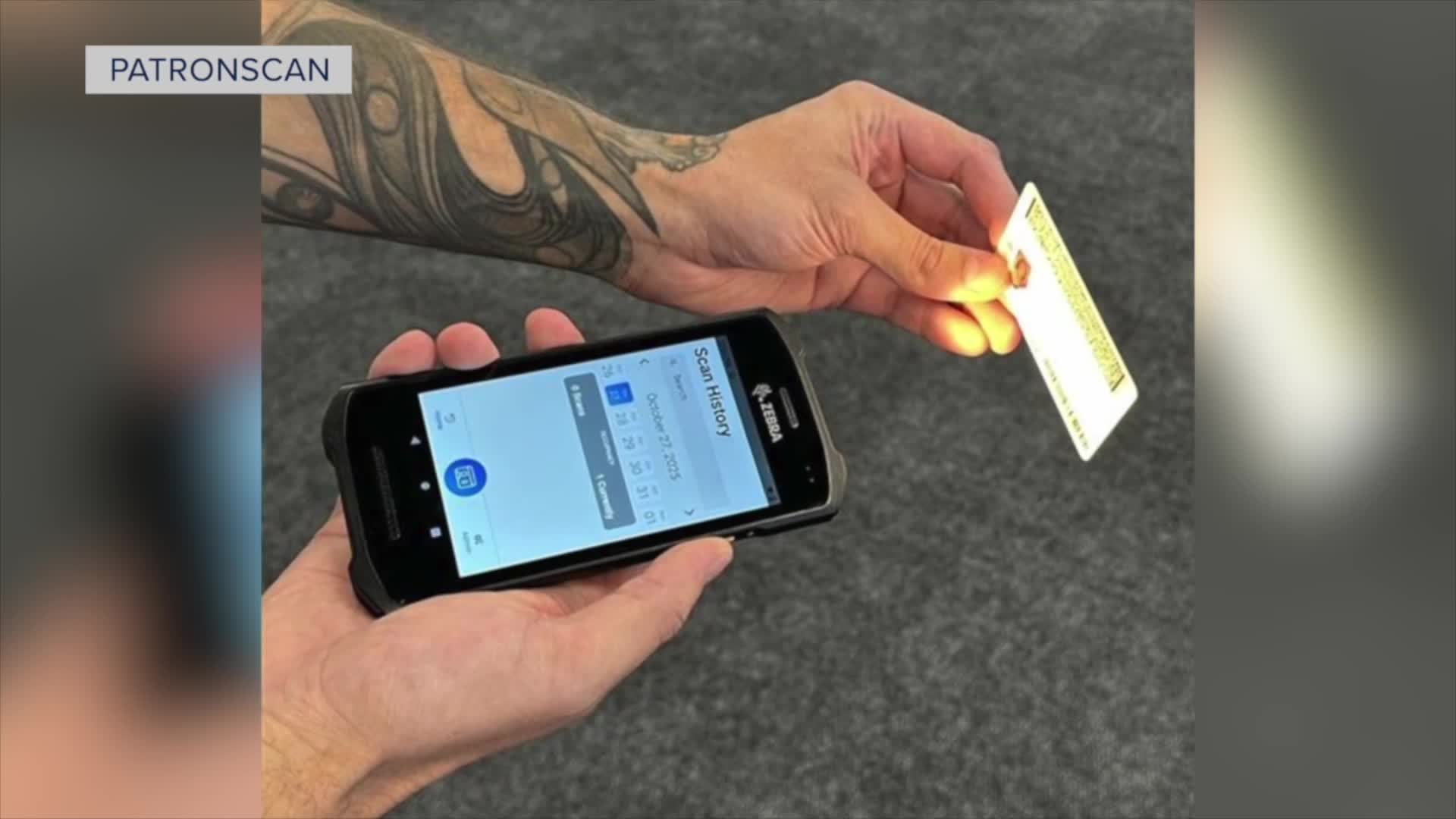
The initiative relies on PatronScan identification scanners, which verify a customer's age and can detect fraudulent IDs.
"You take your ID, you scan it," Moore said. "And that scan can identify if it's a fake ID and verify that you're over 21."
If a patron presents a fake ID or is removed from a participating business for misconduct, operators can choose to deny that individual entry to their own establishments.
"When you make that choice to come downtown, you're participating in a group activation of the intention to have a good time," Moore said.
Following public discussion about the technology after last weekend's shooting, Moore issued a statement addressing questions about privacy and data collection.
She emphasized that participation in the shared network is voluntary and that each business decides whether to use information shared through the system when determining admission.
"Participation remains in the hands of each operator," Moore wrote. "Every business has the ability to decide whether to use the shared data when determining entry."
Moore also addressed concerns over how long patron information is retained. She said the system's default retention period is 21 days because incidents are not always reported immediately, allowing operators time to identify individuals after an event. However, she noted that businesses control their own settings and can shorten the retention period to as little as 24 hours.
According to Moore, Rio Nuevo is expected to release funding that will allow the Downtown Tucson Partnership to order the scanners, which are expected to be installed by mid-August.
The effort comes as Tucson police continue investigating the July 19 shooting that wounded nine people near several downtown entertainment venues. The violence has prompted business owners and city leaders to examine additional ways to improve safety while maintaining downtown's nightlife economy.
Moore said the program is ultimately intended to make the district more welcoming for patrons while discouraging those who create problems.
"If you're going to misbehave, we don't want you around," she said. "And as private business operators, they have that prerogative."
——
Eddie Celaya is a multimedia journalist at KGUN 9. Born in Tucson and raised in the Phoenix area, Eddie is a life-long Arizonan and graduate of the University of Arizona who loves the desert and mountains and hates the cold. Previously, Eddie worked in print media at the Arizona Daily Star. Share your story ideas with Eddie at edward.celaya@kgun9.com, or by connecting on Facebook or Instagram.

----
STAY IN TOUCH WITH US ANYTIME, ANYWHERE


