

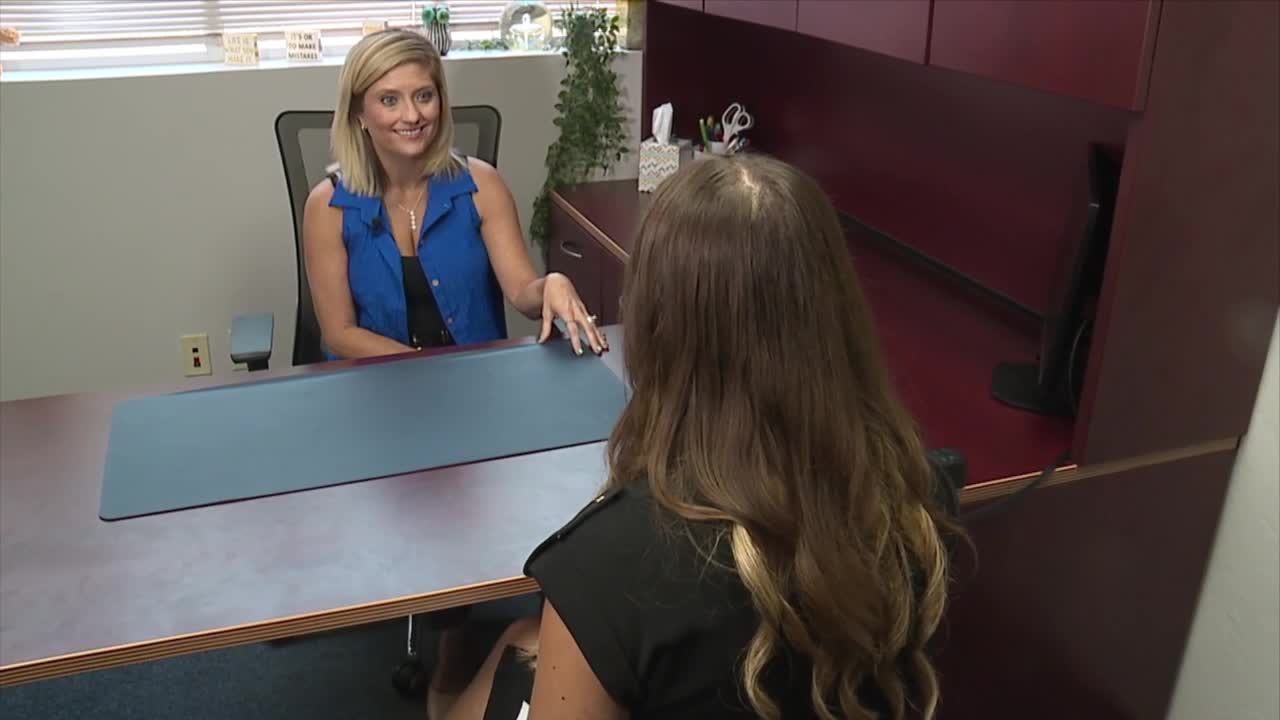



TUCSON, Ariz. (KGUN) — For nearly three decades, Miriam Kirsten and Debra Childers say they knew what to expect when they stepped outside their homes: a quiet, peaceful neighborhood. But after a behavioral health residential facility for adolescents opened nearby last fall, they say incidents involving young people leaving the property have changed how safe they feel at home.
Miriam Kirsten has lived in the neighborhood for 28 years. “I always felt completely safe here," Kirsten explained.
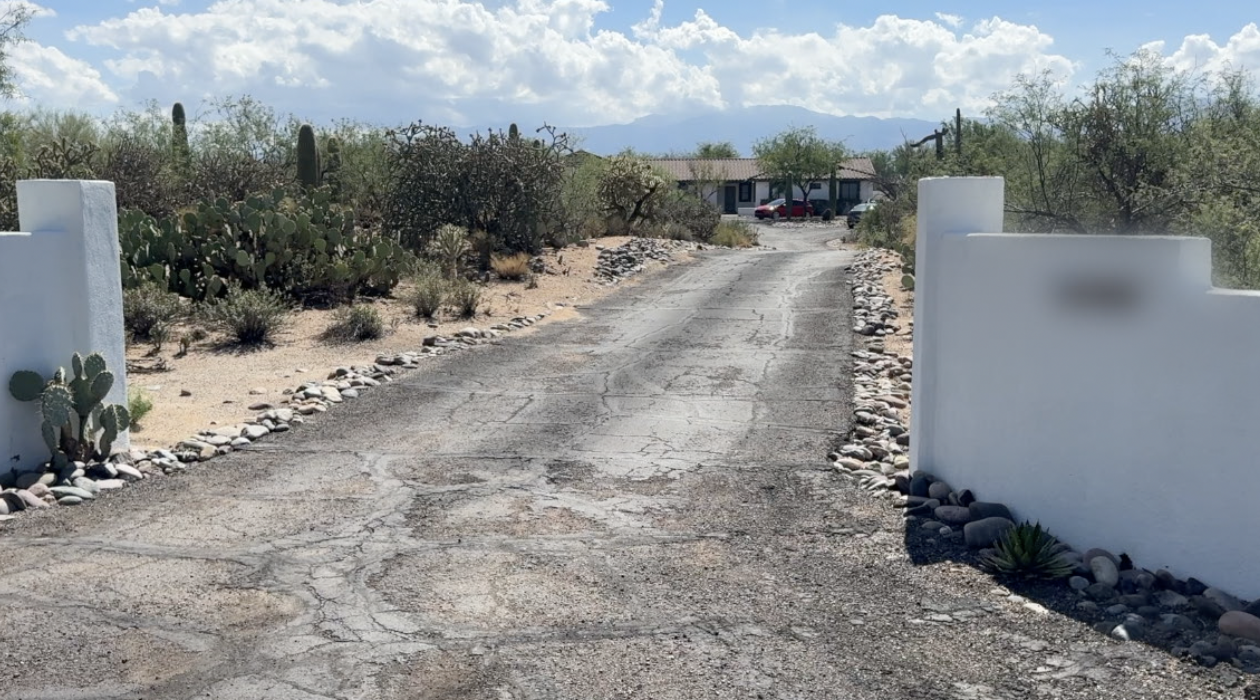
Kirsten, along with another neighbor, Debra Childers, says that changed after Artemis Adolescent Healing Center opened an adolescent behavioral health facility in the neighborhood.
The facility is licensed to house up to 10 people in a five-bedroom house.
PREVIOUS COVERAGE: Former employee speaks out after state inspection of behavioral health facility
Nearby residents shared security camera footage from the dates of two reported incidents involving adolescents leaving the property. KGUN 9 obtained records from the Pima County Sheriff’s Department that detail the two runaway incidents.
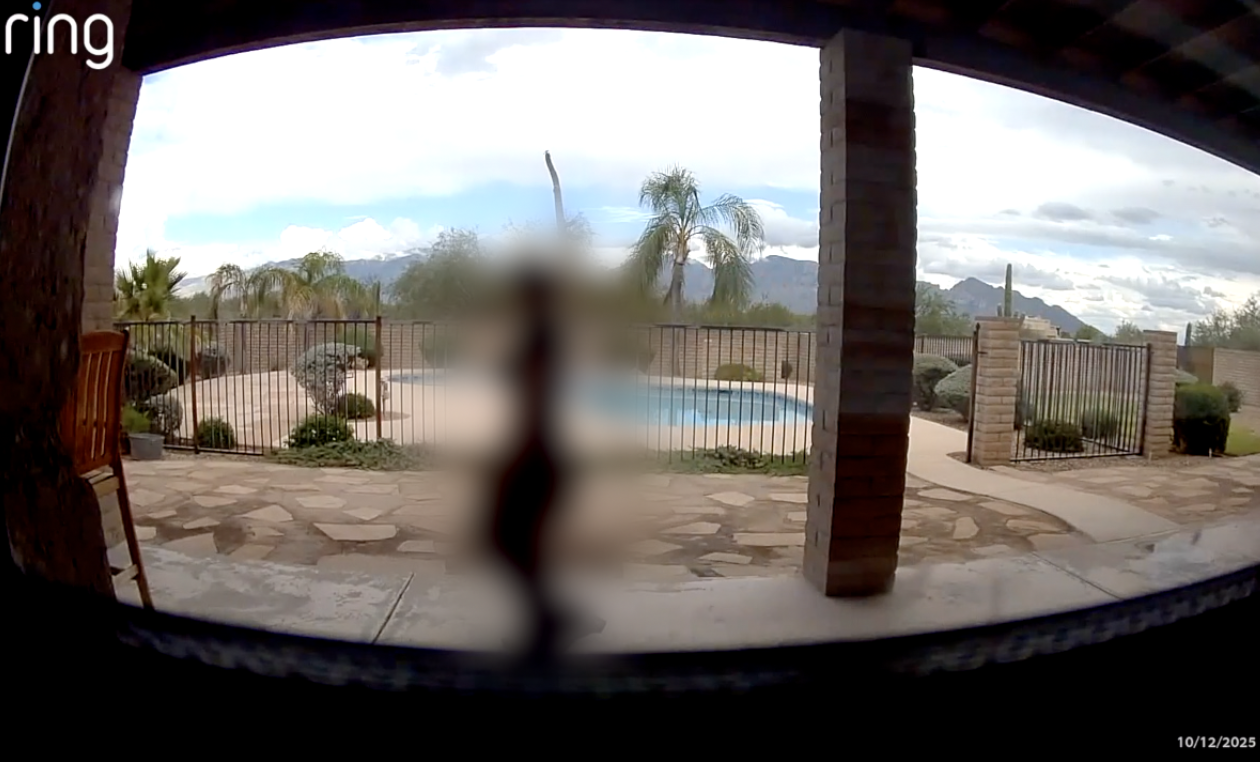
“After that, like, every time we leave the house, especially at night, have to make sure everything is locked,” Kirsten said.
During one of the incidents, records show two people were arrested for first-degree criminal trespassing.
A neighbor later received a letter from the Pima County Attorney’s Office regarding one of the juveniles. The letter said prosecutors would not file charges because “further prosecution” was not warranted at that time based on the information available to the prosecutor.
Childers said she understands the need for behavioral health facilities but is concerned about what happens when adolescents leave the property.
“You know, people running through my yard, they’re desperate to get away. They’re desperate. They’re in socks, and it’s not so much on me as it is... there’s stuff happening in that house,” she said.
Both neighbors also worry for the safety of those running away. “We love to see the wildlife; that’s why we live here. But for kids that are not cognizant of this… they could step on a snake!”
Shawna Beckman, chief clinical officer at Artemis, said the adolescents deserve treatment while neighbors deserve to feel safe.
“These kids deserve treatment. And everybody has someone in their family who has struggled with mental health, so we really need to normalize and take away the stigma,” Beckman said. “Nobody wants it in their backyard, but they deserve it. These kids deserve treatment too.”
Beckman said Artemis wants neighbors to reach out when they have concerns.
Emails provided by neighbors show residents have contacted Artemis, and the facility has responded. In one email, Artemis told nearby residents it was working to “reduce the likelihood of similar incidents in the future.” Artemis also told neighbors in an email that the facility operates as a voluntary behavioral health program and that the minors in its care are not held against their will.
Artemis is licensed as a Behavioral Health Residential Facility, not an inpatient facility.
Under Arizona regulations, a behavioral health residential facility provides treatment to individuals whose behavioral health issues limit their ability to be independent or require treatment to maintain or enhance independence.
A behavioral health inpatient facility, by contrast, provides continuous treatment to individuals whose behavioral health issues cause them to be a danger to themselves or others, suffer harm that significantly impairs their judgment, reason, behavior, or capacity to recognize reality, have a limited or reduced ability to meet their basic physical needs, be persistently or acutely disabled, or be gravely disabled.
Artemis Adolescent Healing Center operates four residential facilities across the state.
“I think they should shut that house down. They should close it, and it should be a regular home, family home again,” Childers said.
Federal law protects group homes from zoning exclusion. Tom Drzazgowski, deputy director of Pima County Development Services, said the facilities are allowed as long as they operate like residential homes. He explained, "Where it becomes problematic for the property owner is if they’re not using it for a residential group home and operate it for a more intense use. When the owner is providing on-site services such as doctors and nurses who live on site and other non-residential uses, it changes the character of the building and is now a commercial use which must be in a commercial zone.”
The state regulates these facilities, while the county plays a supporting role. "The State of Arizona issues licenses for Group Homes. The item that Pima County can address is the residential/commercial component of it. It’s commercial when doctors and other professionals are living onsite or visiting the site on a regular basis. When operated more intensely, it no longer is a residential use and becomes commercial," Drzazgowski said.
Neighbors with concerns can file a complaint with the county.
Childers and Kirsten both fear for the safety of the adolescents living nearby and hope to raise awareness and increase oversight of these types of facilities. “We’re both mothers here. We know we have to nurture and love our children as they grow up. But they’re not getting any of that. This is all very, very serious," Kirsten said.
———
Athena Kehoe is a reporter for KGUN 9, she joined the KGUN 9 team in July of 2024 after graduating from Arizona State University. Share your story ideas with Athena by emailing athena.kehoe@kgun9.com or by connecting on X/Twitter.


