



TUCSON, Ariz. (KGUN) — The University of Arizona is a leader in space exploration. Now as space becomes more important to business, and defense, U of A is looking at new ways to build on the foundation of its space expertise. One way the University was working to build those connections was with the Space Horizons Forum, held at the Ventana Canyon resort this week.
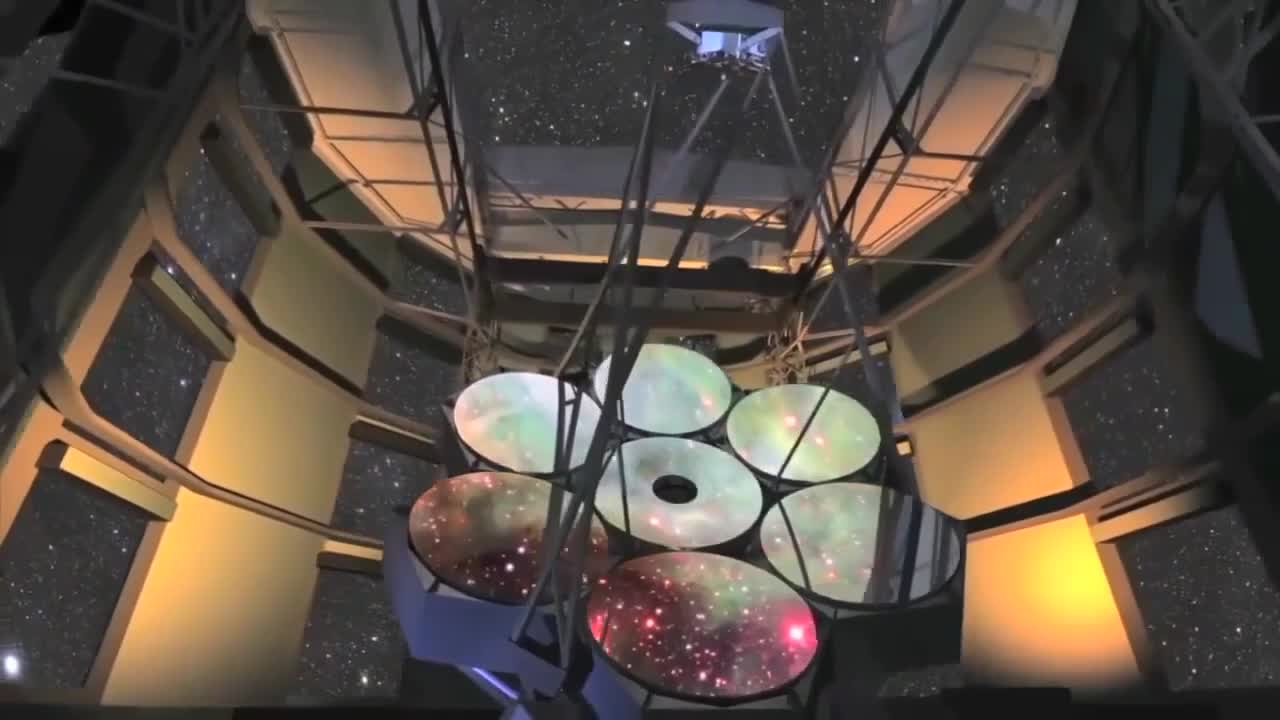
U of A has built a reputation as a University that knows how to build sophisticated satellites, space probes and powerful telescopes. It has been aiming to learn the secrets of the universe. But space experts like former Nasa Administrator Jim Bridenstine say aim that technology in a different direction and it can help make our country more secure.
He says, “The University of Arizona operates telescopes that are really second to none, with great people that can look up in space and not only see planets in our own solar system and stars in our galaxy and galaxies in our universe, they can see all those things, but even more so they can actually see objects in space that may or may not be friendly and they can help us not only detect it but maybe assess what they're doing.”
The military uses space for surveillance, navigation and communication.
Businesses that had been contractors building spacecraft for NASA, are in the space business for themselves now. Some of the work is to help tap the resources in space.
Dante Lauretta led U of A’s Osiris Rex mission that grabbed a sample of an asteroid and brought it to Earth for analysis. The sample showed asteroids had the potential to inject Earth with some of the building blocks of life. The mission also taught us more about how to deal with asteroids that could threaten the Earth.
But Lauretta says the technology able to grab part of the asteroid could dig up business opportunities in space and help propel science too.
“So for example, I'm working with one of the asteroid mining companies, and they have a profit motive. They want to go extract precious metals, and I'm like, bring back some of the raw material. It'll help us better process it, but more importantly, I'll get a nice little set for science. And so my goal is to try to get more material retrieved back to the Earth. And if they're making money doing it, then I think there'll be a lot more science opportunities.”
Erika Hamden leads the Arizona Space Institute. She’s working on projects like Pandora to learn more about planets far from our solar system, or PUFFINS which studies the dust between the stars to learn more about how tiny specks create massive planets.
She says even as U of A and businesses work to make space a stronger zone for profit and protection there’s still a drive to learn more about space for the love of learning itself.
“The exploration of space, I think is a really fundamental human desire. We always want to know more. Since there were humans, they looked up at night having no electricity, they could see the stars a lot better, and they wondered about what the stuff in space was or what are these dots in the sky, and I think that. The work that I do, I feel like fundamentally links to that.“
——-
Craig Smith is a reporter for KGUN 9. With more than 40 years of reporting in cities like Tampa, Houston and Austin, Craig has covered more than 40 Space Shuttle launches and covered historic hurricanes like Katrina, Ivan, Andrew and Hugo. Share your story ideas and important issues with Craig by emailing craig.smith@kgun9.com or by connecting on Facebook and Twitter.


