

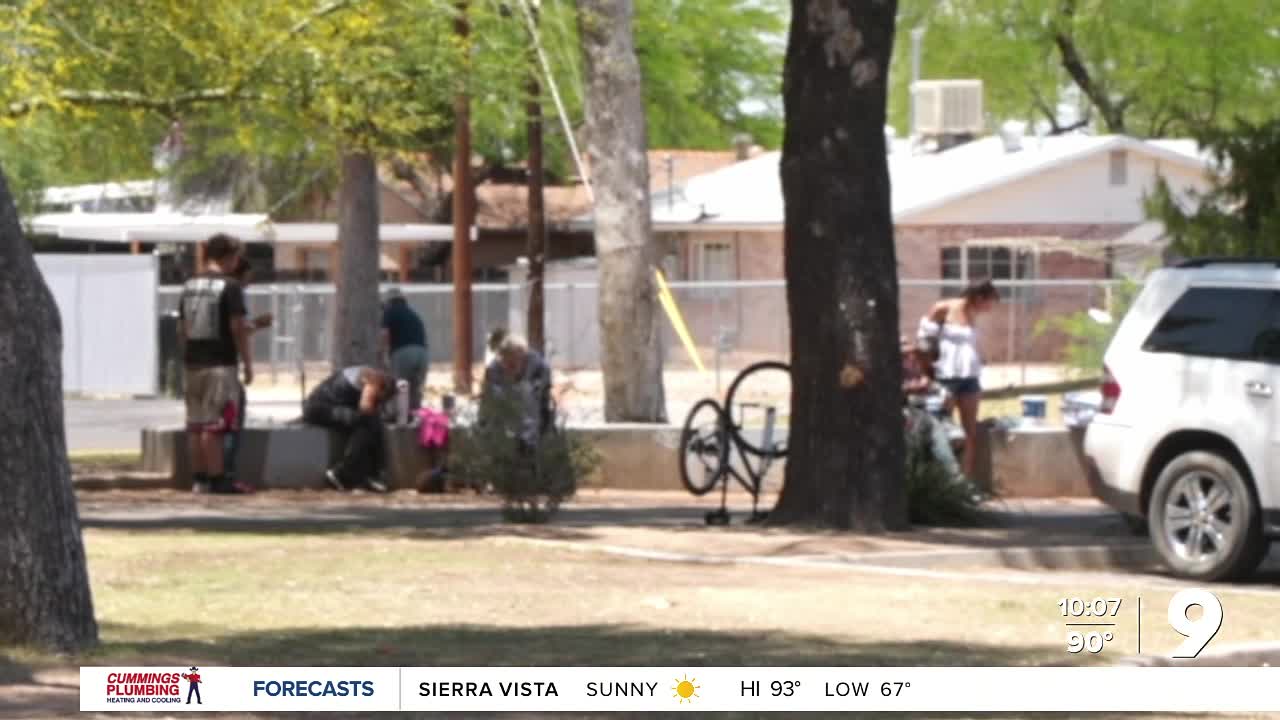


TUCSON, Ariz. (KGUN) — Tucson is facing a housing crisis, with more than 40,000 people on the affordable housing waitlist, more than 2,000 people living on the street each night, according to the Pima County Point in Time review, and the potential loss of more than 117 emergency shelters due to funding cuts with the Arizona Department of Housing.
To help connect people to resources the moment they need them, the Tucson Pima Collaboration to End Homelessness launched a resource dashboard showing real-time shelter availability across the city.
The dashboard displays open beds at shelters, detox centers for people seeking to get clean, bus routes, and more.
The dashboard even goes into specifics, showing which spaces allow pets or require full sobriety.
Kat Davis, lead manager at TPCH and one of the dashboard's creators, said the scale of the crisis made a centralized, real-time tool necessary.
"We don't have enough resources in our community currently to house everyone or to shelter everyone."
Davis said getting every shelter operating from the same information was a key goal.
"We need to be clear with folks about how they can use those resources and find them. And this provides a lot better information on not only where shelter beds are available."
The dashboard launched in April, and outreach workers across the city have begun using it in the field.
La Frontera is using the dashboard among their other resources at their RAPP center, and it's already made a difference in helping the lives of their community members.
"I was able to find a home because of the people here; they found me," Community member Rick Rivera said.
"This place came and offered us help; it's really been a night and day difference," community members Charles Schach and Ephraim Grijalva said.
La Frontera outreach workers Truth Wright and Red Hoffman say they have been successful because they meet people where they're at.
They are doing what they can but are running low on resources.
"That's the hardest part is the finance, the supplies, to get enough to be able to help more people," Hoffman said.
Wright and Hoffman said the dashboard is a step toward reaching more people, building trust, and getting them off the street and into beds.
"So it's the personal connections with the people we deal with," Hoffman said. "That makes a big difference. The dashboard will be good for the drop-in center here. Especially for detox or especially for someone that's in crisis," Wright said.
The dashboard became fully operational to shelters across the city on June 1st. Anyone can access the full dashboard here.

