



VAIL, Ariz. (KGUN) — Residents of a Vail neighborhood are accustomed to sharing the Sonoran Desert with wildlife ranging from coyotes and javelinas to bobcats and deer. A recent report of a black bear wandering through the area, however, drew extra attention from neighbors and wildlife officials.
The reported sighting occurred in the New Dawn Estates community east of Tucson. According to the Pima County Sheriff's Department, deputies responded Tuesday morning to search for the animal but were unable to locate it.
For longtime resident Cynthia Ricca, the possibility of a bear in the neighborhood was unusual, though not entirely unexpected.
“We’ve had deer, bobcats, javelina, coyotes,” Ricca said. “They used to graze cows right behind our wall.”
Still, she said the reported visitor stood out.
“It’s not a surprise, but… out of all the wild animals, I would have to say that’s the biggest one so far,” Ricca said.
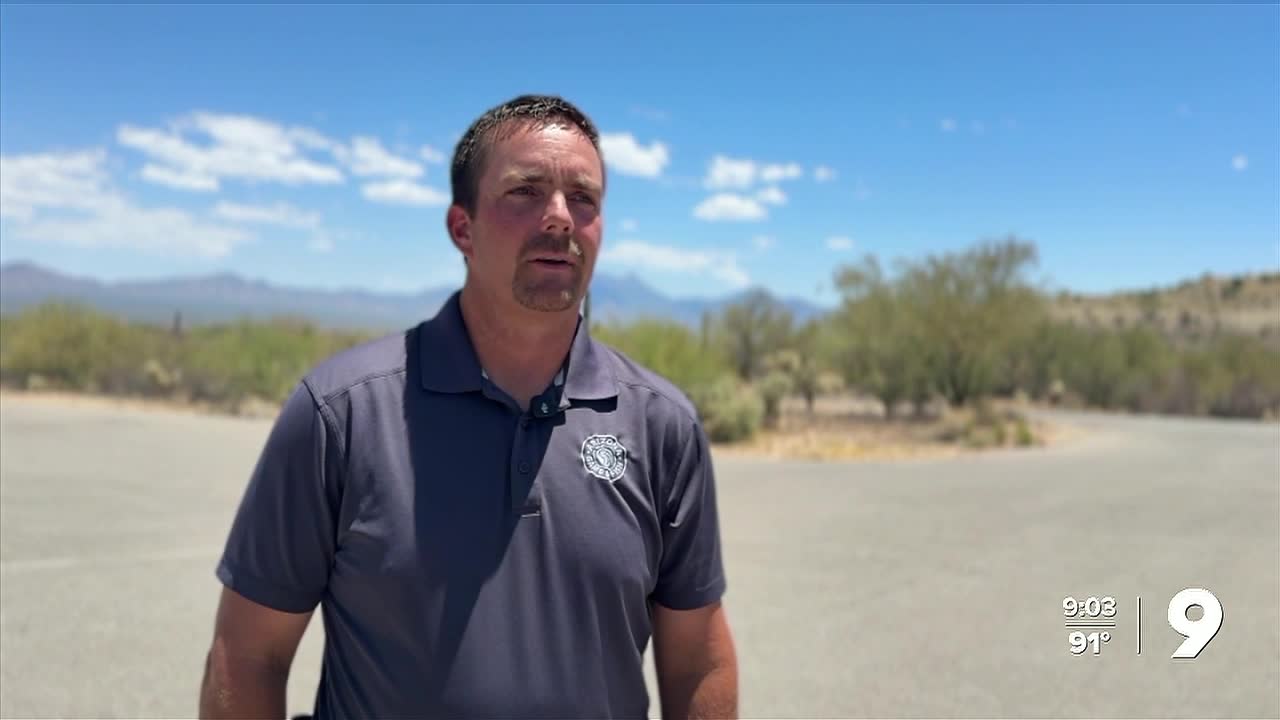
Wildlife officials say sightings such as this can occur during periods of hot, dry weather. Mark Frieberg, a community liaison with the Arizona Game and Fish Department, said bears occasionally move from higher elevations into lower desert areas while searching for food and water.
“Typically what they’re doing is moving around looking for food and water resources,” Frieberg said. “If they can’t find it, which is a good thing, then they’ll keep on moving on.”
According to Frieberg, Arizona Game and Fish had been monitoring reports of the animal for several days.
“Sunday afternoon was the first bear sighting and then Monday morning early it was caught on a trail camera,” he said.
Arizona's black bears are generally found in forested and mountainous habitats between 4,000 and 10,000 feet in elevation, including the Santa Rita, Rincon and Catalina mountains surrounding Tucson. However, drought, wildfire and scarce food or water resources can cause bears to travel long distances and occasionally appear in lower-elevation communities. Arizona Game and Fish estimates the state is home to roughly 5,800 black bears, a population considered stable to increasing.
Frieberg emphasized that residents should never approach a bear or intentionally provide food.
“Please don’t leave food out for wildlife and bears in general,” he said. “If they do see a bear in their neighborhood, we ask that they please call the Game and Fish Department.”
Wildlife officials also advise people who encounter a bear at close range to make noise, remain calm and make themselves appear as large as possible. In neighborhoods where garbage, pet food and other attractants are secured, bears typically continue moving through the area rather than settling in.
——
Eddie Celaya is a multimedia journalist at KGUN 9. Born in Tucson and raised in the Phoenix area, Eddie is a life-long Arizonan and graduate of the University of Arizona who loves the desert and mountains and hates the cold. Previously, Eddie worked in print media at the Arizona Daily Star. Share your story ideas with Eddie at edward.celaya@kgun9.com, or by connecting on Facebook or Instagram.

----
STAY IN TOUCH WITH US ANYTIME, ANYWHERE


