



SOUTH TUCSON, Ariz. (KGUN) — Humane Borders says multiple federal agencies will not renew permits for 12 water stations the nonprofit maintains in the Southern Arizona desert, raising concerns among volunteers about the potential effects on people traveling through remote areas.
The nonprofit, which places water containers in desert locations to help prevent deaths from dehydration, says the Bureau of Land Management, National Park Service and U.S. Fish and Wildlife Service have informed the organization that the permits for the stations will not be renewed.
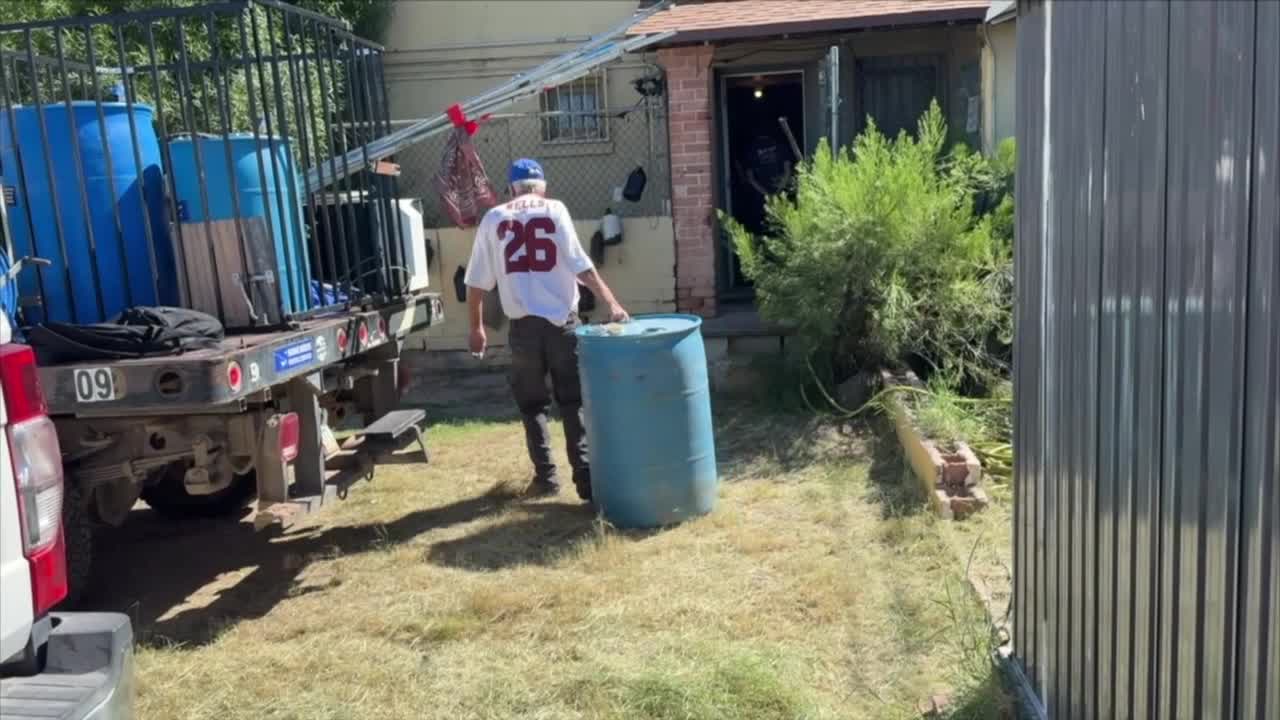
Mike Green, a Humane Borders volunteer who helps maintain the water stations, said removing them would put people at risk.
“Will hurt people, it’s not a could, it’s going to hurt people,” Green said.
Green said volunteers regularly visit the stations to replenish supplies and check water quality. The organization aims to inspect the containers about once a month, he said.
“We try to get them wirhn a month,” Green said. “Every 30 days… every time we go out there we do check them.”
Volunteers check to make sure the water is clean and perform a smell test, Green said.
Laurie Cantillo, board chair of Humane Borders, said the stations serve more than migrants crossing the desert. She said their removal could affect other people who spend time in remote areas.
“In removing these stations we are also endangering anyone in the desert, whether it’s an RV, a hunter, mountain biker,” Cantillo said. “And yes even Border Patrol agents use our water.”
Octavio Fuentes, the organization's executive director, said the decision affecting stations in Organ Pipe Cactus National Monument is particularly concerning. Six of the 12 stations slated for removal are in the monument, according to Fuentes.
“In the Organ Pipe National Monument, where our permits were denied, where six of them are going to be removed — 16 people this year have dies,” Fuentes said.
The deaths Fuentes referenced underscore the dangers of traveling through remote desert terrain, where extreme temperatures, limited access to drinking water and long distances between developed areas can pose serious risks. Humane Borders' stations are intended to provide an emergency source of water in those conditions.
The federal agencies' decisions could affect the nonprofit's ability to maintain its existing network of water stations on federal land. The organization has raised concerns about how losing the sites could affect people who rely on them.
KGUN9 contacted the Bureau of Land Management, National Park Service and U.S. Fish and Wildlife Service for comment and was awaiting responses. The story will be updated if the agencies provide additional information.
——
Eddie Celaya is a multimedia journalist at KGUN 9. Born in Tucson and raised in the Phoenix area, Eddie is a life-long Arizonan and graduate of the University of Arizona who loves the desert and mountains and hates the cold. Previously, Eddie worked in print media at the Arizona Daily Star. Share your story ideas with Eddie at edward.celaya@kgun9.com, or by connecting on Facebook or Instagram.

__________________________________________________________________________
Want to discuss this story and keep up with what’s happening in South Tucson and the Southside? Click here to check out and join our new Facebook group to share stories, ask questions, and connect with neighbors.
Also, click here to check out our South Tucson and Southside news playlist at YouTube.


