



TUCSON, Ariz. (KGUN) — The Tucson Fire Department responded to fewer calls in 2025 than the year before, but department leaders say rising response times, persistent staffing shortages and growing demands for emergency medical services continue to present significant challenges.
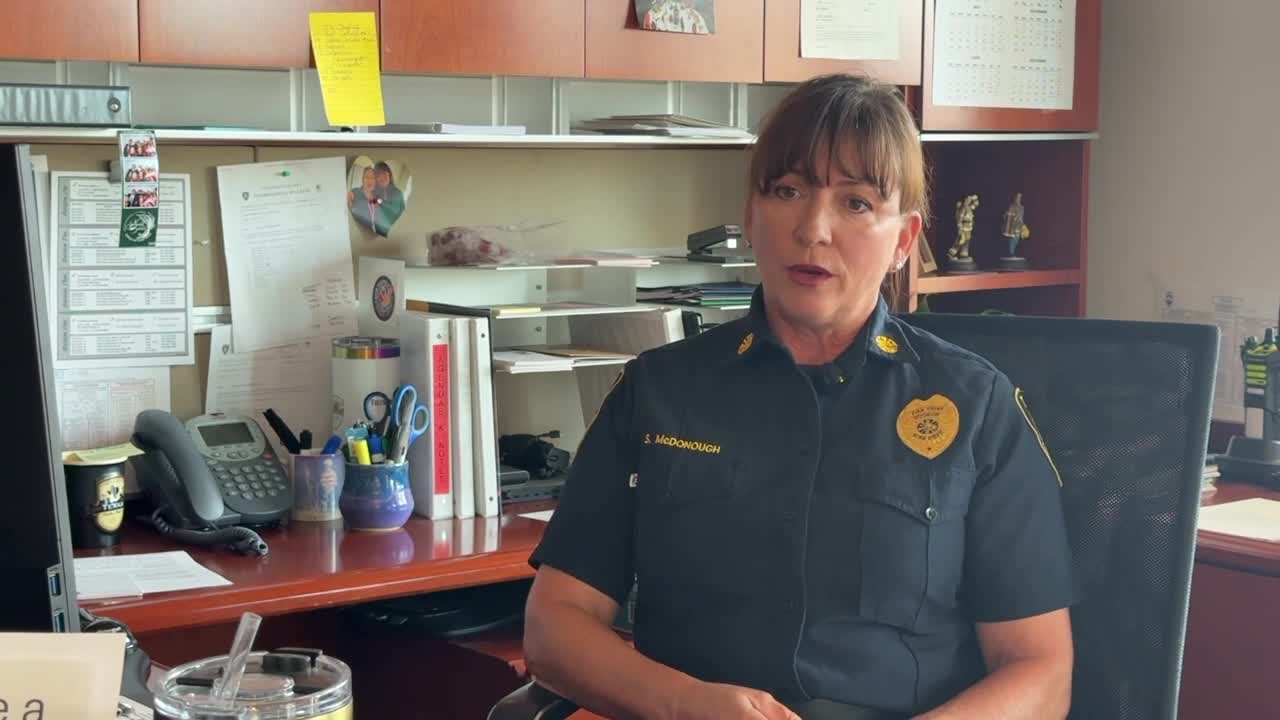
The department outlined those trends in its newly released 2025 Annual Report, which Chief Sharon McDonough described as a snapshot of the organization’s current state and future needs.
“Our annual report is kind of the story about our organization,” McDonough said.
According to the report, Tucson firefighters responded to 102,941 calls for service in 2025. Of those, 90,192 — roughly 86% — were emergency medical service calls, while just over 14,500 involved fires, hazardous materials incidents, technical rescues and other emergencies. The figures reflect a long-standing trend in the fire service, where EMS responses make up the overwhelming majority of calls.
While total call volume declined for the first time in five years, the department’s average response time remains a concern. The report found firefighters took an average of 8.72 minutes to reach fire incidents and 8.70 minutes to reach EMS calls. McDonough said those times are about 15% higher than they were a dozen years ago.
“What does that mean for you?” McDonough said. “It means that … maybe we don’t save you. It means that maybe we lose your pets. And it means that maybe that content fire is now a structural fire … and you lose your home.”
The department’s staffing challenges are a major factor behind those response-time concerns.
McDonough said recruitment efforts have improved, but retirements and departures continue to outpace hiring.
“Our last class, we graduated 30,” she said. “And by the time they graduated we netted negative 11. So our attrition rate is surpassing our ability to get people trained and ready.”
The Tucson Fire Department currently employs about 650 personnel, according to McDonough, though she believes staffing closer to 750 would provide greater operational flexibility.
“By adding extra positions we would have a more robust swing pool, which means when someone takes a day off, we have someone to fill in,” she said.
McDonough also expects demand for EMS services to continue growing, particularly if residents lose access to health insurance or primary care.
“One that we think is going to grow, as the changes with the medical coverage at the national level start to impact local communities,” she said. “People lose insurance? They call us.”
Despite the challenges, McDonough said morale and culture within the department have improved in recent years and leaders remain focused on addressing problems openly.
“We’re there in eight or nine minutes, which to the general public feels great,” she said. “But if they understood? Eight or nine minutes isn’t great. Four or five is much better.”
----
STAY IN TOUCH WITH US ANYTIME, ANYWHERE


