

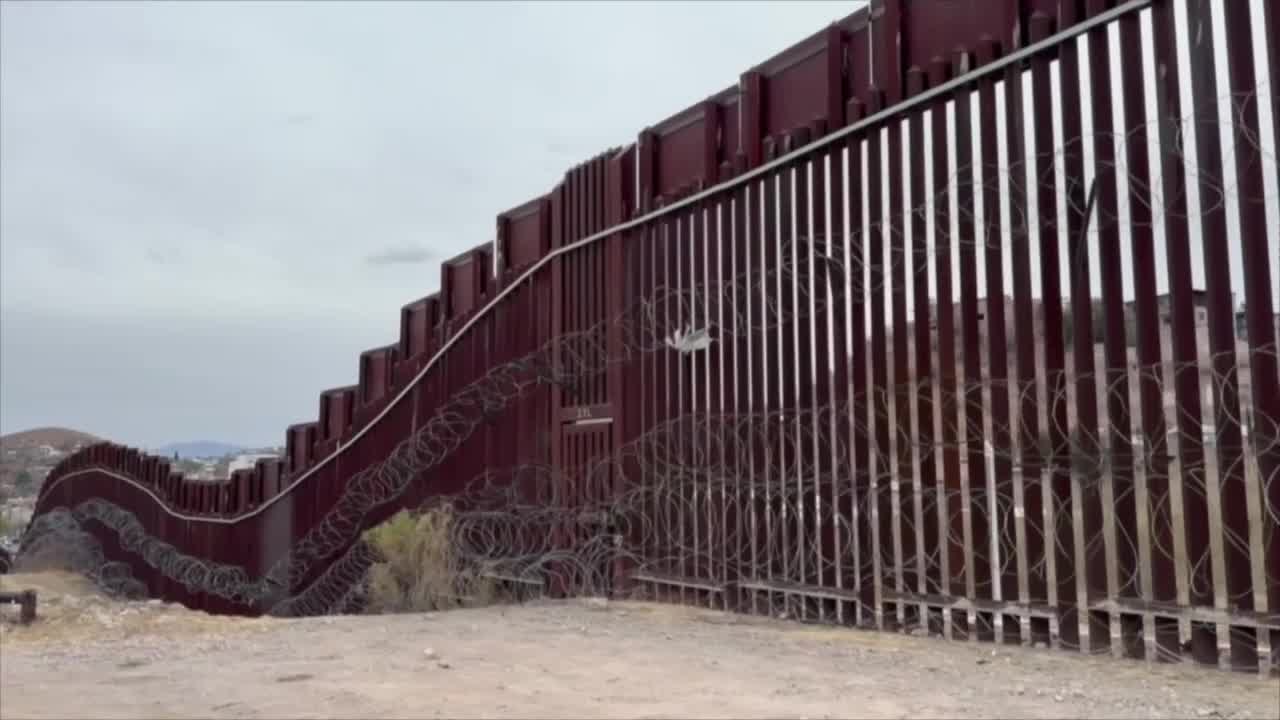


TUCSON, Ariz. (KGUN) — Despite heightened border enforcement, additional border wall construction and increased deportations, migrants continue to die crossing Arizona's deserts at a pace that remains consistent with recent years, according to new data released by Tucson-based nonprofit Humane Borders.
The organization, which maintains a public database of migrant deaths in partnership with the Pima County Office of the Medical Examiner, reported 19 migrant deaths in July and 13 in June. Through the end of July, 73 sets of human remains had been recovered in Arizona this year, compared with 59 during the same period in 2025. The statewide total for all of last year was 103.
"We had 19 deaths reported by the Pima County Medical Examiner, who we partner with to maintain our migrant death map," Humane Borders Executive Director Octavio Fuentes said.
Humane Borders said the latest figures bring the total number of documented migrant deaths in Southern Arizona over the past 25 years to 4,505. The nonprofit cautioned that the true toll is likely higher because many people who perish in remote desert areas are never found.
"The trend, if it continues through the end of the year, will be about 120 — which will be about average of any other year," Fuentes said.
The data comes as the Trump administration has continued emphasizing stricter immigration enforcement, expanding deportation efforts and limiting legal pathways for migrants seeking entry into the United States. Border apprehensions have declined sharply from record highs seen in 2023, but Humane Borders argues that migrants continue attempting dangerous crossings through remote desert terrain.
"When the pathways to doing it the right way are closed off, desperate people are going to take desperate action," Fuentes said. "And that's not a judgement on the current administration, because it's what every administration has done over the last 30 years."
According to Humane Borders, most recovered remains are found shortly after death, with dehydration and heat exposure accounting for the majority of fatalities. Other causes include hypothermia, drowning, blunt-force trauma and undetermined causes.
The organization, founded in 2000 by faith leaders, operates dozens of permitted water stations throughout Southern Arizona. Volunteers also help locate human remains while conducting routine scouting hikes.
Fuentes said the nonprofit intends to continue placing water in the desert for anyone who may need it, including migrants, hikers, hunters and Border Patrol agents.
"When I ask people: why risk your life trying to come through here?" Fuentes said. "The answer is: 'I'd rather die trying to cross your desert, then stay at home and see my family die in front of me.'"
Humane Borders maintains that long-term reductions in migrant deaths will require changes to the nation's immigration system rather than additional physical barriers, arguing that expanding legal avenues for work and asylum would reduce the need for dangerous crossings through some of North America's harshest terrain.
——
Eddie Celaya is a multimedia journalist at KGUN 9. Born in Tucson and raised in the Phoenix area, Eddie is a life-long Arizonan and graduate of the University of Arizona who loves the desert and mountains and hates the cold. Previously, Eddie worked in print media at the Arizona Daily Star. Share your story ideas with Eddie at edward.celaya@kgun9.com, or by connecting on Facebook or Instagram.

----
STAY IN TOUCH WITH US ANYTIME, ANYWHERE


