

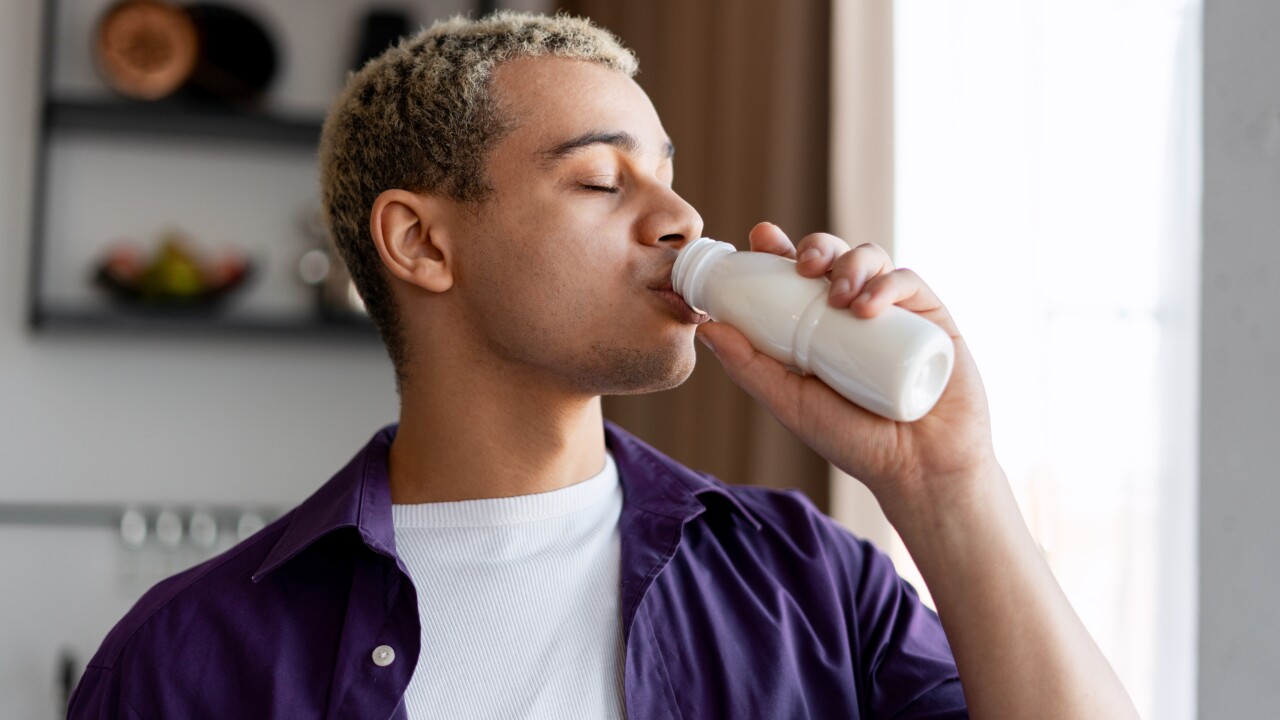

Drink tart cherry juice for sleepmaxxing! Add protein in everything for proteinmaxxing! Eat raw garlic for spermmaxxing!
Online influencers are telling you to take your health to the max with highly specific — and sometimes highly unusual — changes.
“Maxxing” is an online trend applied to advice for aspects of health including sleep, diet and fertility. But much of this maxxing advice can be unhelpful or unhealthy or go against the steady, personalized changes many experts recommend.
The term’s roots trace back to the concept of min-maxing in Dungeons & Dragons and other role-playing games. Players maximize or minimize different traits in their characters, said Adam Aleksic, author of “Algospeak: How Social Media Is Transforming the Future of Language.”
RELATED STORY | Novo Nordisk sues Eli Lilly, alleging the company's GLP-1 ads are 'deliberately false'
Incels, groups of men who describe themselves as involuntarily celibate, adopted the maxxing terminology online as they focused on “looksmaxxing.”
Their relentless pursuit of physical perfection by any means necessary eventually went mainstream. Social media users poked fun at the original intent by applying maxxing terminology to all kinds of other things.
“If I want to eat more burritos, I could be ‘burritomaxxing,’” Aleksic said. “It was funny because you were referring back to the incels. But now, when people are talking about fibermaxxing, I think the etymology is completely lost here.”
When people use the maxxing trends in the mainstream, they are usually not aware of — or trying to espouse — the incel ideology. But relentless overoptimization at the expense of other areas of life persist in the health and wellness spaces online and the real world. That’s why experts caution that intensity is not always the ideal approach for self-improvement.
When it comes to nutrition, the aim should be balance –– not maxxing anything, said Natalie Mokari, a dietitian based in Charlotte, North Carolina.
RELATED STORY | Want added protein? Be prepared to pay extra for that boost
Many online influencers focus on maximizing protein and fiber, and the impulse isn’t necessarily wrong. Much of Mokari’s advice to clients centers around those two food groups — as well as carbohydrates and fats as building-block nutrients, she said.
The Dietary Guidelines for Americans recommend adults consume 22 to 34 grams of fiber daily generally dependent on age and sex. However, more than 90% of women and 97% of men in the United States don’t meet these recommendations, according to the guidelines.
But Mokari said dramatic increases of anything isn’t the most effective — especially going from 10 to 15 grams of fiber a day to 30 grams. That can cause gastrointestinal upset and discomfort.
The dietary changes that stand the test of time are more gradual and work with your individual needs and preferences, not a hardcore leap, she said.
Instead of cramming protein and fiber into everything you eat, Mokari recommends including a source of fiber and protein in your meals and snacks. Whenever you can, prioritize sources that come straight from the food itself rather than as an additive.
For more fiber, can you have whole-grain toast instead of white bread? Can you have peanut butter with banana for both protein and fiber? Adding beans, legumes, nuts, seeds, fruits, vegetables and whole grains are great ways to get fiber from whole foods, Mokari said.
Similarly, it’s great that people want to optimize their sleep, said Dr. Rafael Pelayo, a clinical professor in the sleep medicine division at Stanford University. For too long, people who only needed a little sleep were seen as tough or hardcore.
But usually, the idea of sleepmaxxing isn’t about people who have insomnia using science-based techniques to improve their sleep quality — it’s about overoptimizing unnecessarily, he said.
Not all of the information passed along through trends online is directly harmful, but it can be important to consider the source and whether all the information is truly helpful, Pelayo said.
People pay exorbitant amounts of money for mattresses that are marketed as the cure for poor sleep or invest in supplies and ingredients for a sleepy mocktail or supplement to solve an issue they may or may not have.
RELATED STORY | Peptides are everywhere in health and beauty, but does the science actually back up the claims?
Because sleep is highly susceptible to the placebo effect, these changes may appear to work for a while but lose effectiveness quickly, he said.
Pelayo has concerns about the spread of information on mouth-taping, which can worsen issues for people who have obstructive sleep apnea.
The obsession with tracking sleep quality can often cause too much stress, he said. Most people just need to prioritize a regular sleep schedule and an environment that is cool, dark and quiet.
People who wake up not feeling refreshed –– after the initial grogginess –– and find they need more and more sleep over time, or who are told they are snoring, should see a sleep doctor to make sure there isn’t an issue that needs to be addressed, Pelayo said.
A lot of people are worried about their fertility — whether it’s sperm health or ovulation — even if no evidence of a problem exists.
Online influencers peddle supplements, recommend raw garlic, suggest testicle ice baths or promote drastic lifestyle changes. In the office, fertility specialists are often helping their patients balance medical and lifestyle interventions, said Dr. Jennifer Kawwass, professor, division director and medical director at the Emory Reproductive Center in Atlanta.
Fertility is a particularly vulnerable aspect of health, and people are often eager to try whatever offers a better chance at conception and a healthy pregnancy, Kawwass said. Part of her job is supporting her patients in figuring out what online recommendations have good evidence and should be implemented, which aren’t harmful if they want to give them a try, and which should be avoided.
That is why it’s crucial for people to be open and honest with their doctor about what they are seeing online, Kawwass said.
Moderation is a good guiding principle in reproductive health, she said. Making sustainable changes toward healthier diet and exercise, adding in folic acid, and stopping smoking is helpful for most people.
“Many things in the extreme are probably not healthy,” she said. “Generally speaking, humans are meant to reproduce during times of health and wellness, and not under extreme physical or nutritional stress.”
People who have been trying to conceive for a year unsuccessfully should speak to a fertility specialist, Kawwass said. Women older than 35 can lower the threshold to six months. For those who aren’t ready for heavy medical intervention, an expert can help with lifestyle modifications, she added.
Even if you aren’t ready to conceive but have concerns about your fertility in the future, you can see a specialist proactively, Kawwass said.
The impetus behind “maxxing” isn’t necessarily bad. Paying more attention to getting good sleep, consuming enough nutrients and setting yourself up for success in your fertility is a noble effort.
The problem is that you can’t “maxx” all things all the time, so necessarily something else gets minimized, Aleksic said. Focusing so heavily on your protein intake may mean you aren’t getting enough vegetables. People can also miss out on social outings, celebrations and points of connection because they are so focused on an overly optimized and delicate system they have set up for themselves.
“Implicitly, you miss out on a greater whole by optimizing for one thing,” he said.
The other problem with the social media trends around health is that they focus on immediate, universal results. The social media algorithm rewards rapid before-and-after transformations or bold statements without nuance, which can affect the way people expect things to happen for them, Aleksic said.
And while one specific behavior transforming a person’s whole life may make sense in a social media reel, real life takes a lot more personalization, trial and error, and gradual change, Mokari said.
The-CNN-Wire™ & © 2026 Cable News Network, Inc., a Warner Bros. Discovery Company. All rights reserved.
