

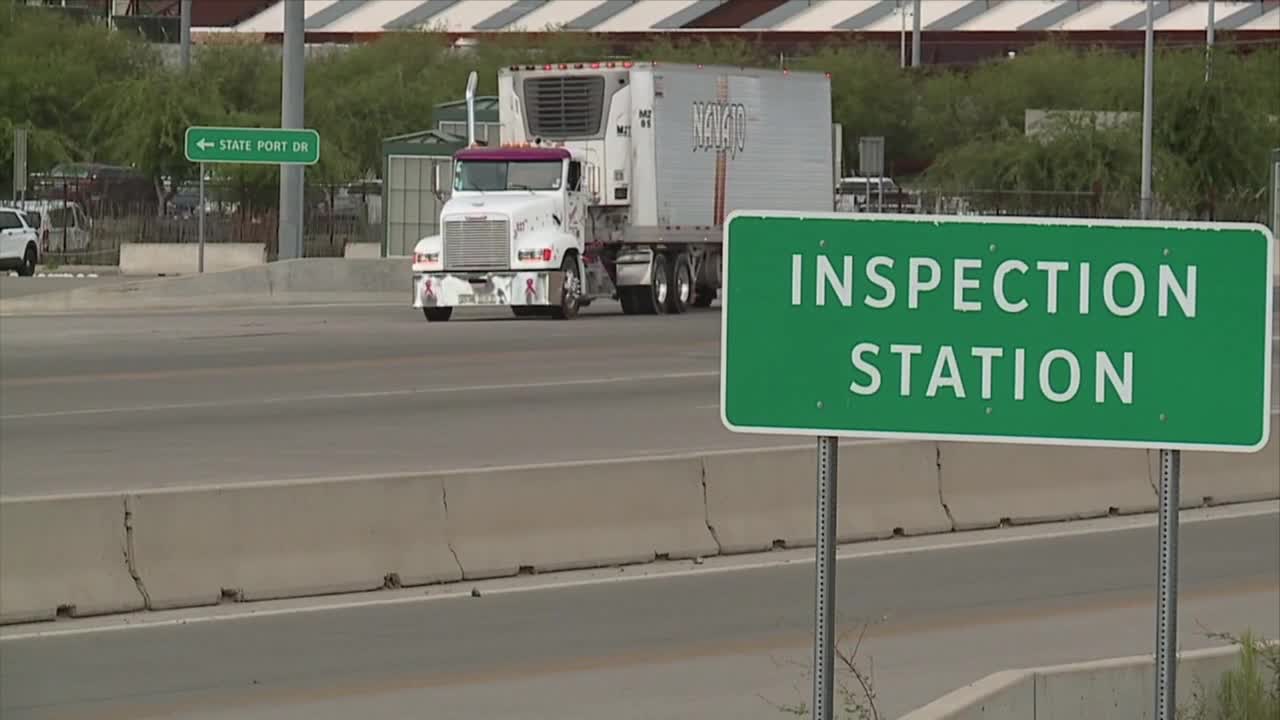


NOGALES, Ariz. (KGUN) — Billions of dollars in goods go to and from Mexico at the Mariposa Port of Entry in Nogales. For more than 30 years trade agreements that covered the US, Mexico and Canada made trade easier and encouraged investment in all three countries but now the US is making a change that will make that trade relationship more unpredictable.
From fresh produce, to freshly made cars and trucks, trade agreements: NAFTA and more recently the USMCA, encourage cross border trade by reducing or eliminating tariffs on certain goods.
When the USMCA came up for renewal, the US did not choose to keep existing rules for another 10 years. Instead it chose to renegotiate the rules every year.
Josh Rubin is with Javid LLC. More than 25 companies have hired Javid to manage factories in Mexico devoted to cross border trade.
He says the change brings the sort of uncertainty that can affect job growth and consumer prices on both sides of the border.
“It affects Mexican and Canadian businesses wanting to invest in the United States, and the United States wanting to invest in Canada and Mexico, because you don't know what's going to happen, you don't know what changes might take place tomorrow.”
Rubin thinks the uncertainty could affect new investment but not drive companies to cut back what they’re doing already.
Jaime Chamberlain and his family have been bringing fruit and vegetables across from Mexico for more than fifty years. He says the uncertainty of short term trade negotiations could discourage him from investing to upgrade Mexican farms and that could affect the amount of food on your table and what you pay for it.
But he thinks cross-border supply chains are so intertwined and the needs for food and other products run so deep that short term negotiations could open some eyes on all sides.
“I honestly believe that within the next year to two years of revisions, we are going to realize that we need each other to feed each other, and especially in the agriculture sector, but we also need each other to feed each other with all the other commodities in the manufacturing sectors as well. We cannot live without each other.”