


The Federal Communications Commission is set to vote on changes to rules limiting ownership of television stations.
Current rules prohibit any company from reaching more than 39% of U.S. households.
The ownership cap was established to promote competition and prevent monopolization of the airwaves.
The FCC is scheduled to vote Aug. 6 on repealing the rule.
RELATED STORY | FCC chairman warns broadcasters could lose their license over ‘fake’ Iran war coverage
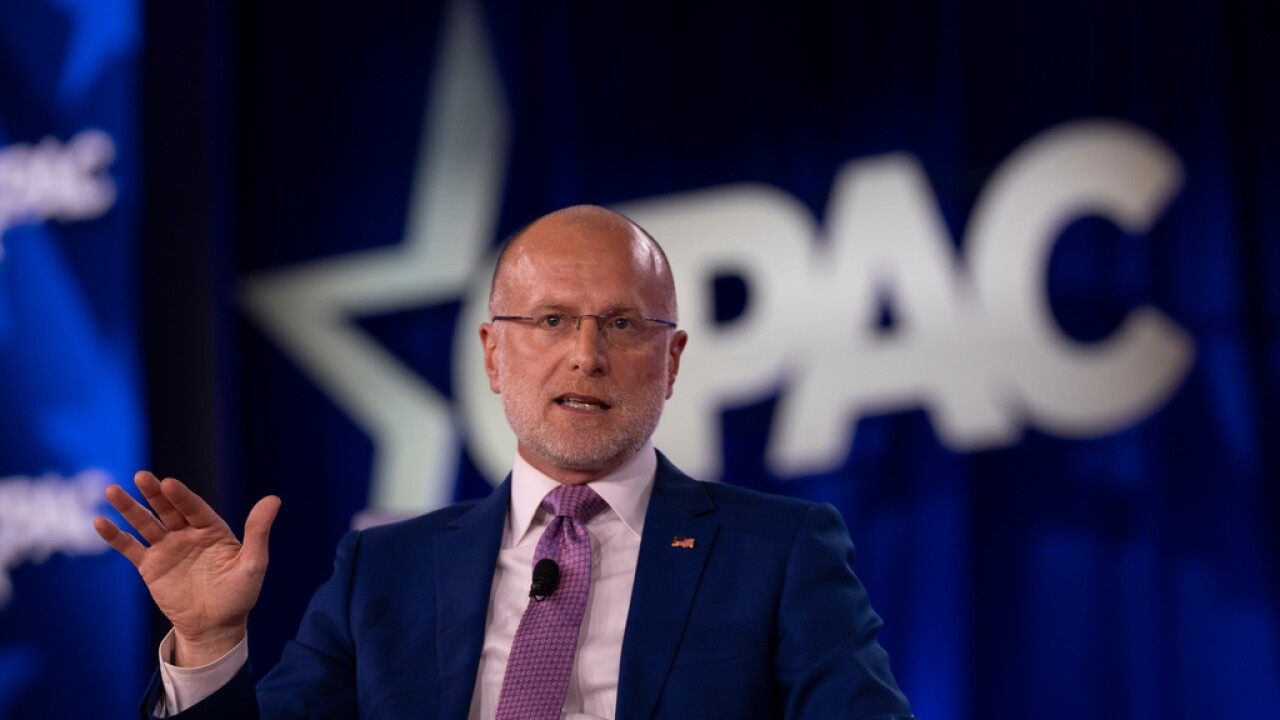
FCC Chairman Brendan Carr argues that television stations now compete with a wide range of content providers, not just other broadcasters.
“Strict ownership limits on local broadcasters that prevent them from competing with other players in the modern marketplace are not in the public interest. While competitors are free to reach 100% of their relevant market segments, this FCC rule has generally limited broadcasters to competing for just 39% of theirs,” Carr said.
Under the proposed changes, the FCC also would have authority to review merger deals on a case-by-case basis.
The expected FCC vote is likely to face court challenges.
RELATED STORY | FCC to review Disney and ABC licenses as Trump criticizes Jimmy Kimmel over 'expectant widow' comments
The proposed rule change comes as Tegna and Nexstar, two of the nation’s largest local television broadcasters, are pursuing a merger.
In April, several state attorneys general sued to block the merger, arguing it would significantly reduce competition in local television.
“Consolidating hundreds of local TV stations under one corporate owner would mean higher prices and lower-quality programming for consumers,” New York Attorney General Letitia James said. “We will keep fighting our case to ensure fair competition among local TV stations that serve communities across the country.”
