



Stressful or uncomfortable situations can hamper anyone, even at their best. But when people react negatively to difficult moments, they tend to send an unintended message to themselves: You can't handle this.
That internal message can carry real consequences and prevent facing adversity head on, especially among kids and young adults.
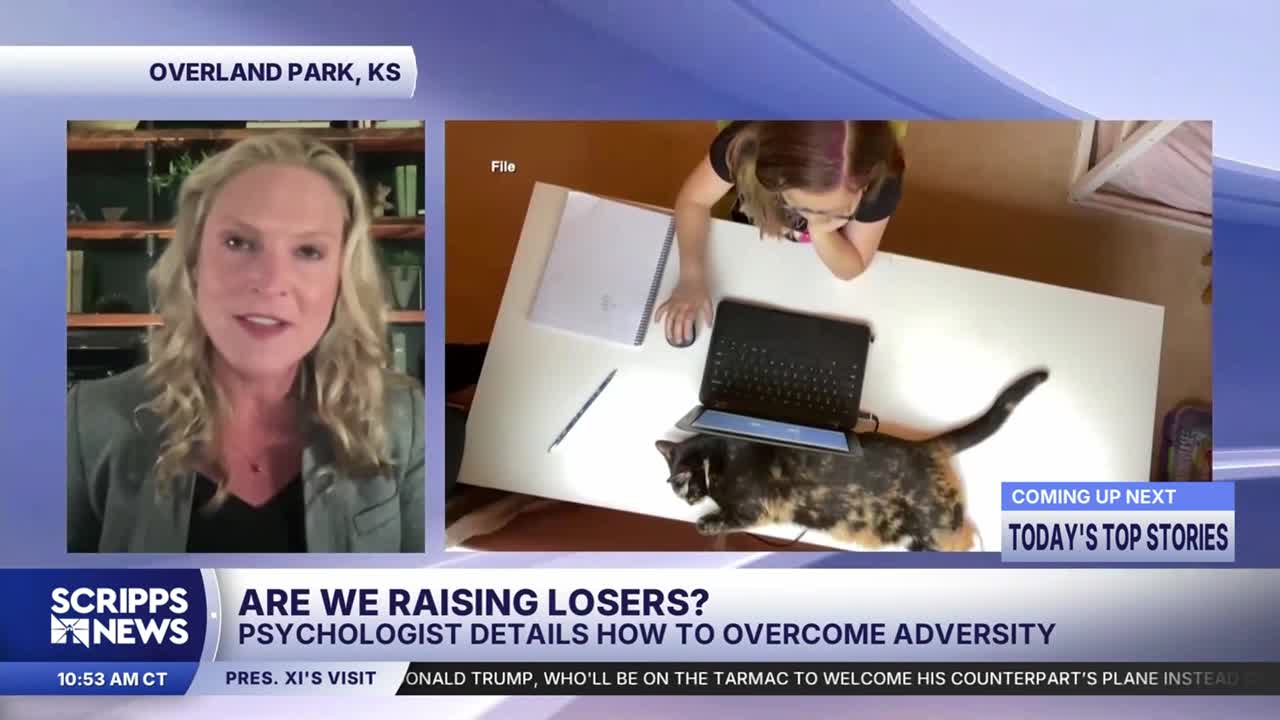
Clinical psychologist Dr. Jenny Prohaska is asking a provocative question: Are parents raising a generation of losers?
RELATED STORY | Most Gen Z workers struggle to live on their own, report finds
"What I mean is when we talk about losers, it's meant to be provocative but I'm drawing attention to is: Are we raising people that basically can't cope under stress? Are they having a hard time basically tolerating distress? Can they not handle getting negative feedback? Are they struggling with long-term pursuit of goals?" Prohaska said.
"And I think that we're in a society today where that is happening more often than we want for a lot of different reasons — some of it political, some of it just how we've been raising our children in particular. But that is not a good setup for success. I think that winners are people that can stick-in and pursue their goals for longer periods of time. They can tolerate the distress, they can tolerate conflict with other people and work through it to the end. And that's not really what we're setting people up for nowadays." Prohaska said.
IN CASE YOU MISSED IT | Half of parents across the country are tracking their adult children’s location
Prohaska works with SWAT teams and other people who operate under extreme pressure. She says positive reinforcement generates a positive response from individuals in those high-stress situations.
"SWAT teams are really cool microcosms of social experiments that kind of run all the time and they have extremely high stress experiences," she said. "And the people that respond best to those team environments are the ones where the team takes a failure and says 'you're okay, you got this.' They don't punish. They don't kind of chastise long-term. They don't hold it over people's heads."
While there is growing awareness regarding mental health, Prohaska said it hasn't translated into better mental health long-term.
"So I think that awareness isn't enough," she said. "I think that the other opportunity here is to say 'hey, we can turn this around, we can start teaching people how to cope better with stress,' so that no matter what life stressor they face in front of them, they're able to tolerate it better."
