



The U.S. Department of Justice cannot have the names and personal contact information for every person who worked during the 2020 election in Georgia’s Fulton County, a federal judge ruled Tuesday.
The Justice Department in April obtained a grand jury subpoena seeking the names and personal contact information of county employees and volunteer poll workers. President Donald Trump has long claimed without evidence that widespread voter fraud in Georgia's most populous county, a Democratic stronghold, cost him victory in the state in 2020.
Fulton County asked a judge to quash the subpoena, arguing it was meant to “target, harass and punish the President’s perceived political opponents” and that it was “grossly over broad and untethered to any reasonable need.”
“Given the low need for the subpoenaed information and the highly burdensome nature of the disclosure of the same, the Subpoena is unreasonable and must be quashed,” U.S. District Judge William Ray wrote in his ruling.
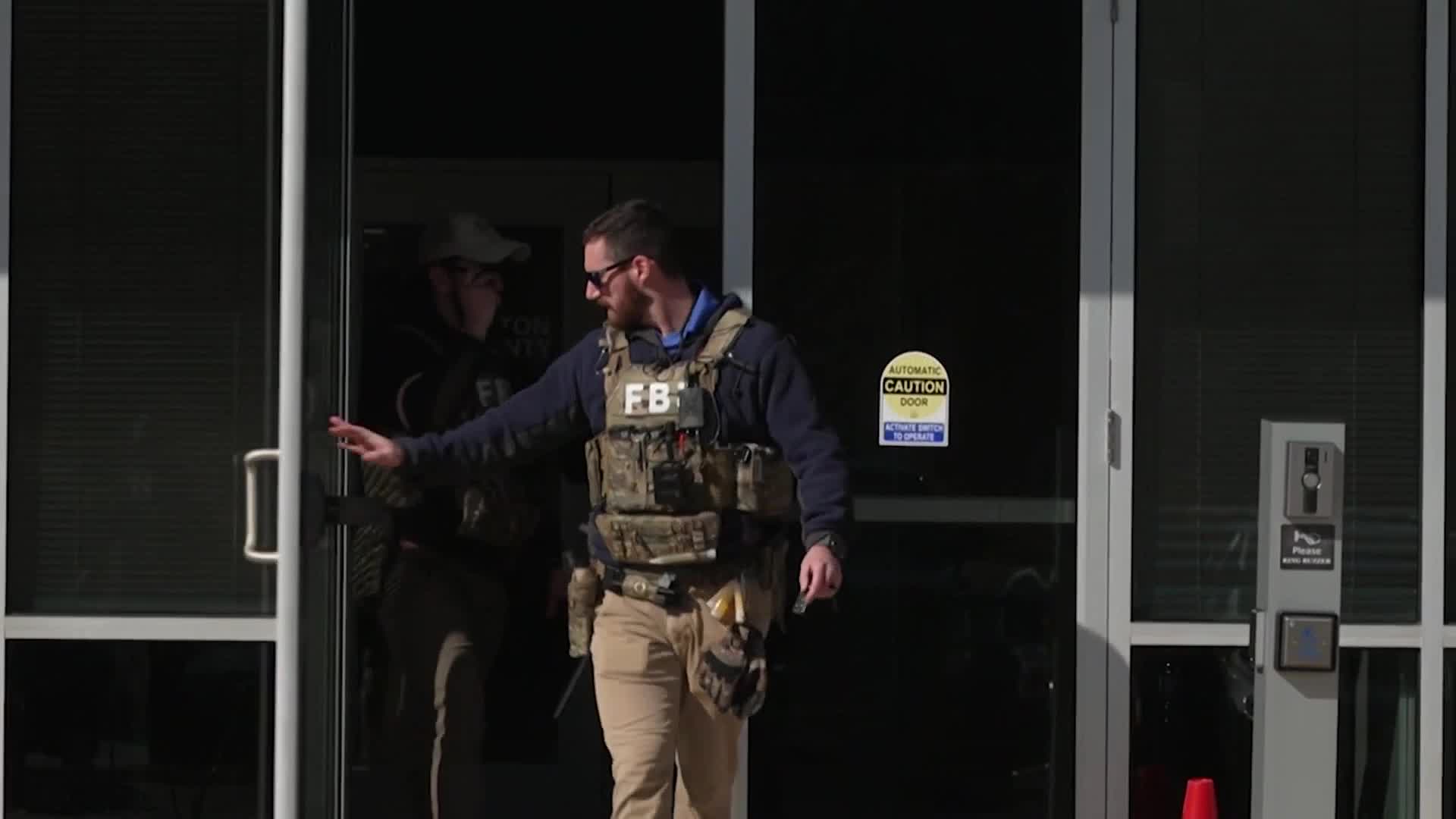
The subpoena came after the FBI in January served a search warrant at the Fulton County election hub and seized hundreds of boxes of ballots and other documents from the 2020 election. A federal judge in May denied the county's request to force the federal government to return the ballots.
The Justice Department argued in a court filing that the subpoena was the “next step in the normal investigative process” and that it seeks “records identifying persons with relevant knowledge.”
Kamal Ghali, a lawyer for the county, argued that the subpoena “will chill participation by election workers” and that the statute of limitations for any of the alleged misconduct had already lapsed.
Justice Department lawyer William McComb said the statute of limitations issue is not relevant at the investigative stage. The point of the investigation is to figure out what charges can be brought, he said.
“My point is, as we sit here now, we are not sure what charges can be brought. That's the whole point of the investigation,” he said.
The request for election workers' contact information, McComb said, “would simply be a pathway to determine and speak with and interview certain individuals who worked at the polls who may have seen, heard or done something in and of themselves.”
During a hearing in May, the judge said he was going to focus on whether the federal government’s request for the election worker contact information was reasonable.
“You know, an overly broad fishing expedition is bad and is not allowed,” Ray said. “But one that’s not overly broad is kind of okay. And the question is, how do we — how does — how do I as a judge decide when does it go too far?”
