




PHOENIX — Xion Ervin-Jenkins' bedroom is waiting for a boy who will never come home again.
His mom, Stephanie Combs, keeps the room just as he left it: drawers half-open, running shoes on the floor.
Combs says a juvenile judge ordered Xion, who was 15 years old, to attend a residential treatment program in spring 2025.
“I was under the impression that he was going to be safe," Combs said.
He arrived at Canyon State Academy in Queen Creek on May 21, 2025, after a wildfire forced evacuations at a different facility. He disappeared a few days later.

After six weeks, on July 4, 2025, Phoenix police arrived on Combs’ doorstep.
“They came to the house to let us know that he had been found deceased,” Combs said.
Combs will never know why her son decided to run away.
“I don't wish that type of pain on anyone,” Combs said.
600 Missing Person Calls
Canyon State Academy for boys and Desert Lily Academy for girls are side-by-side campuses in Queen Creek.
Arizona’s foster care system and the juvenile courts keep sending kids here, but the tall walls don't keep them all safe inside.
ABC15 reviewed call-for-service records from the Queen Creek Police Department between January 2022 and September 2025. In all, the campuses made more than 600 missing person calls to police in less than four years.
“We don't need any more kids going missing or dying,” said Leila Woodard, founder of the Arizona Missing Child Taskforce.
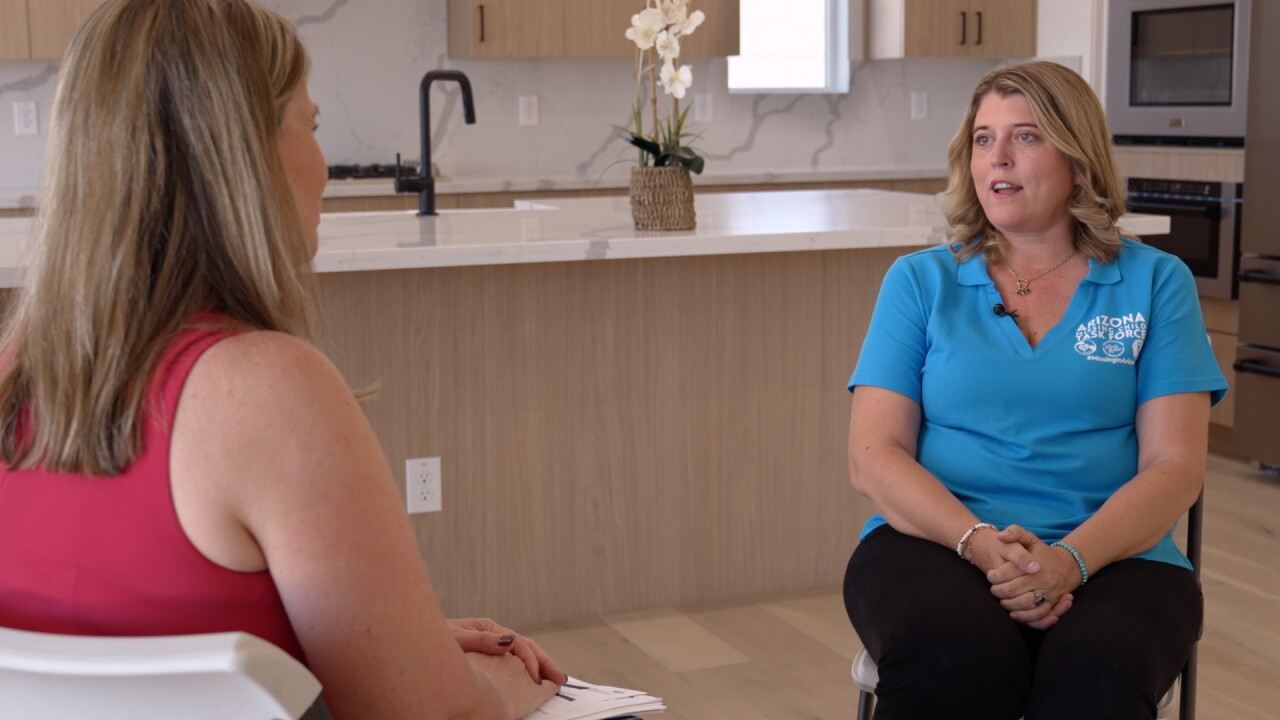
Through her organization, Woodard makes runaway prevention presentations, assists families of missing children, and raises community awareness. She also keeps tabs on how many kids go missing from group homes, including Canyon State and Desert Lily.
“They're going missing at rapid amounts, like, more than anywhere, any other home in the state,” Woodard said.
A spokesperson for the academies says they serve about 600 youth a year. Combined, they are the largest group home facility licensed by the Arizona Department of Child Safety.
Most of the kids on campus are teens who were sent by DCS caseworkers or the juvenile court system - after prior placements didn’t work out. They are provided housing, therapy, schooling, job training, sports, and other activities like horseback riding.
“People are like, well, what's happening there?” said Queen Creek Police Chief Randy Brice. “These kids are at risk already, so when they leave the facility, that's a high concern for us.”

ABC15 is committed to finding the answers you need and holding those accountable.
Submit your news tip to Investigators@abc15.com
Representatives from Canyon State and Desert Lily declined on-camera interviews. In a statement, a spokesperson wrote, “We report to the QCPD proactively because speed matters and child safety comes first. That practice can inflate the number of reports, but it reflects our commitment to safety, not a failure to care.”
DCS also replied with requests for comment by providing a statement, which said, “Call-for-service data does not necessarily indicate wrongdoing by the facility or staff. Many reported incidents reflect the significant behavioral and emotional challenges presented by the population the facility serves.”
“I’m very confident that they have a great mission, but I'm going to continue to hold them accountable,” Brice said. “I'm going to make sure that these kids are as safe as I can possibly make that.”
Dangers on the Streets
DCS rules prevent group homes from locking youth in or preventing a safe exit.
Brice said there are still ways to improve security, including expanding camera coverage and better tracking kids as they move from place to place.
Brice says he’s also worked to speed up response times to missing child calls.
“As soon as a call comes out there, the drone is en route. We have cameras all around the facility on our street cameras,” Brice said. “We're seeing about 90% of the runaways -- we're catching within minutes to maybe an hour or two.”

Queen Creek police officials say these efforts are making a difference, and they’ve seen missing child calls from the facilities trending down.
According to the academy’s spokesperson, many of their missing child reports involve repeat episodes, brief absences, children located quickly, reports tied to home passes, appointments, or on-campus outings.
Most youth are located safely, but two remain missing as of Wednesday, July 15, 2026. They are Abrianna Madrid, 15, and Aiden Searcy, 16.
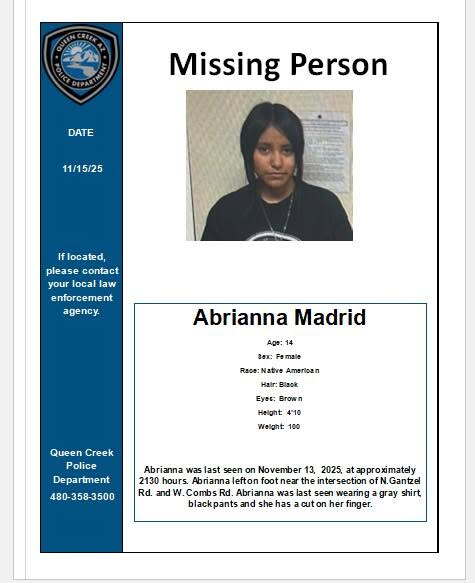
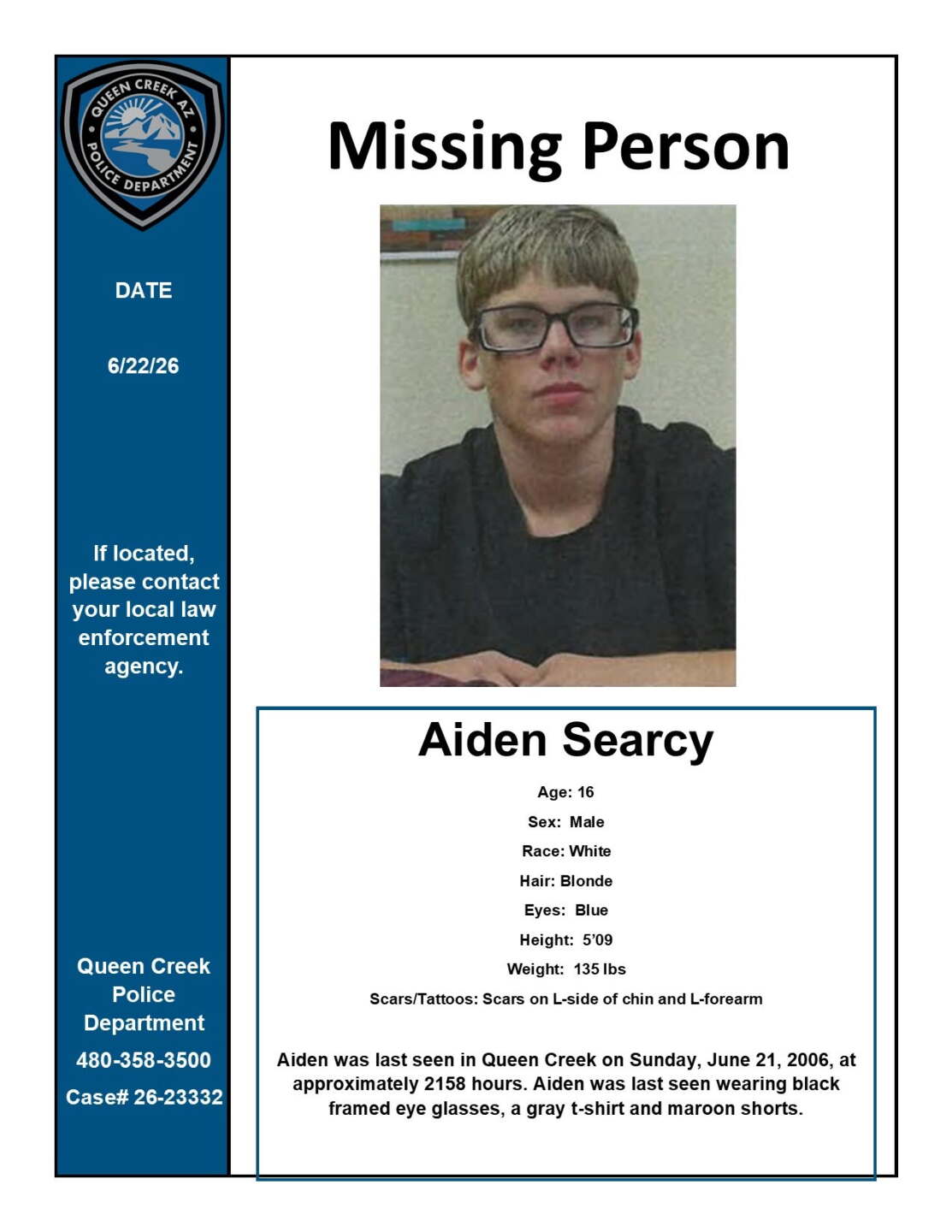
“They're so vulnerable to things like trafficking or exploitation,” Woodard said. She added that reducing the number of missing children from such a large facility would have a significant impact.
Overall, Woodard said better conditions and more services for kids living in Arizona group homes could dissuade more kids from leaving. She has also lobbied for more resources to locate missing foster kids after high-profile deaths. These include the murders of Emily Pike and Zariah Dodd in 2025 after they ran away from different group homes in the Valley.
Xion turned 16 during the weeks he was missing. He died on a concrete bench in Phoenix, about a mile from his mom’s home. The day before he was found, the temperature hit 115º. The medical examiner determined it was a heat death.
Canyon State Academy’s spokesperson described Xion’s death as tragic, adding in a statement that “we immediately reported his absence to law enforcement and fully cooperated with their investigation.”
But an academy spokesman also wrote that Xion “was never a student of Canyon State” as “he was evacuated from another state-licensed open campus.”
ABC15 learned the evacuated campus is also managed by Rite of Passage, the same company that runs Canyon State and Desert Lily.
The one-year anniversary of Xion’s death just passed, and Combs said she is taking it “one day at a time.”
“Sometimes, I sit out in the backyard at night - and recently we’ve had a couple of full moons - and I see a big X in the sky. That’s my boy showing up,” Combs said.
Additional statement from Canyon State and Desert Lily Academies:
"Many youth in our care have experienced trauma, instability, exploitation, behavioral health challenges, and, in some cases, runaway episodes. For more than 25 years, we have provided a safe, normalized environment where children attend school, receive therapy, play sports, join clubs and vocational or equine programs, build trust with caring adults, and begin to see a different future.
The academies are licensed, regulated, and Qualified Residential Treatment Programs in good standing. By state design, they are not locked facilities. Youth who leave voluntarily are immediately reported.
We are proud of our community partners, therapists, teachers, nurses, direct-care staff, and other professionals who do difficult work every day with children who deserve dignity, compassion, and a chance to heal."
