

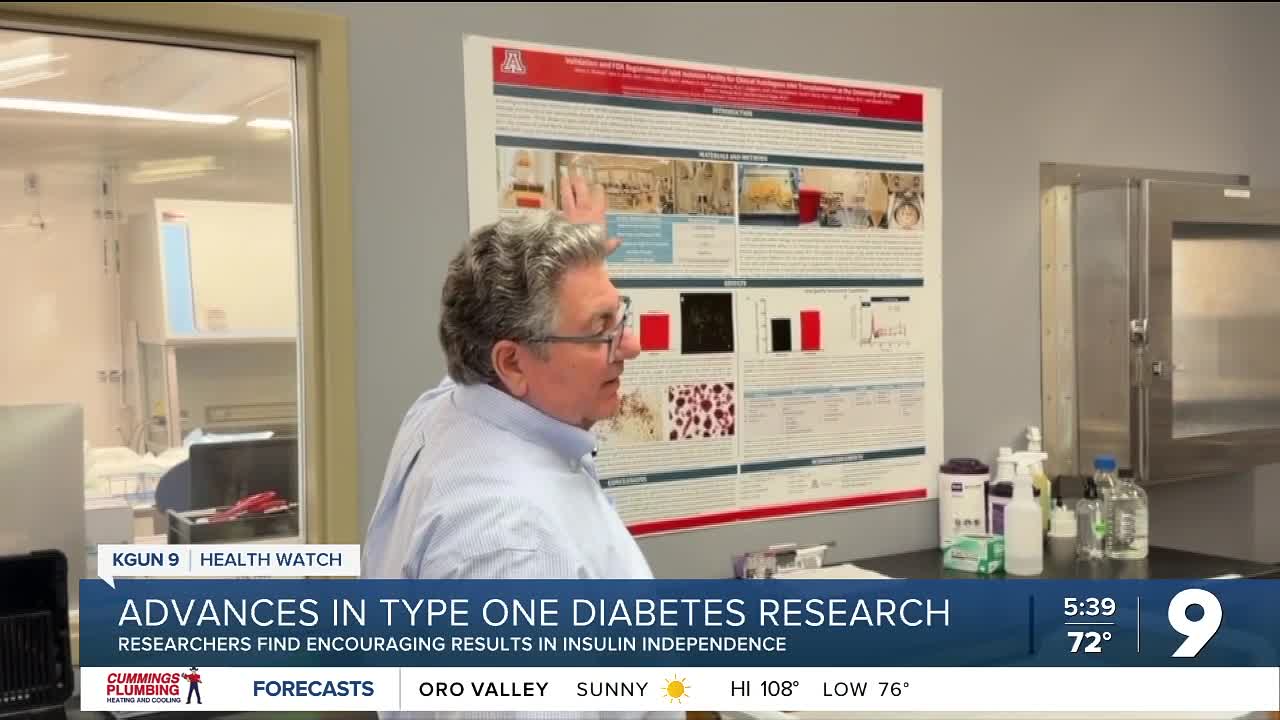


TUCSON, Ariz. (KGUN) — A clinical trial involving people with type one diabetes is showing promising results that could move some patients closer to living without insulin injections.
Researchers are studying islet cell transplantation, a procedure that replaces insulin-producing cells destroyed by type one diabetes. Early results from a trial led by Eledon Pharmaceuticals suggest a new approach to preventing transplant rejection may improve outcomes for patients.
The research is significant because managing type one diabetes requires constant attention to blood sugar levels and insulin. Some patients also lose the ability to recognize dangerously low blood sugar levels, putting them at risk for severe complications.
Dr. Klearchos Papas, director of the Institute of Cellular Transplantation, says the daily burden of the disease is often underestimated.

“Type one diabetes is, I don't think it gets the recognition it deserves in terms of the challenge. I mean, you have to think like a pancreas every minute of your life," Papas explains.
Type one diabetes destroys the body's insulin-producing cells. Researchers have spent decades trying to replace those cells through islet cell transplantation, which transfers healthy insulin-producing cells from a donor pancreas into a patient's liver.
One of the biggest challenges has been keeping those transplanted cells alive and seeing how the body responds, Papas explains.
Patients typically need immunosuppression drugs to prevent their bodies from rejecting transplanted cells. While those drugs can protect the transplant, they also weaken the immune system.
“Immunosuppression in general is one of the biggest hurdles and risks associated with an islet transplant,” Papas says.
According to an Eledon Pharmaceuticals press release, all 12 patients enrolled in the trial achieved insulin independence and no longer required insulin therapy to manage their Type one diabetes. The company said all 12 patients had remained insulin-independent for one year.
Papas says the results represent a major improvement over earlier outcomes in the field.
Scientists have been studying islet transplants for decades. Before a breakthrough in Canada about 25 years ago, only about 8% to 10% of patients remained off insulin for more than a year.
The trial focused on people with type one diabetes who had lost the ability to feel low blood sugar levels.
In the US, there are currently only a few thousand suitable pancreas-to-islet donors per year – but there are millions of people with type one diabetes who could potentially benefit. Papas said the results so far are encouraging, but long-term follow-up will be important.
“So this one year success now, the question is, what will this look like at five years. So that's very important. My expectation based on what we know is that if this drug is less toxic to the islets and less toxic to the patient, then at five years we'll have much better outcomes.”
Cost remains another obstacle.
A per infusion cost for islets could be quoted as more than $100,000, Papas explains.
Another limitation that relates to the cost is that it is estimated that more than 50% of the infused islets die shortly after infusion due to nutrient limitations (including oxygen) and other stresses.
Still, Papas says advances in cell-based therapies are bringing researchers closer to a potential new option for people living with type one diabetes.
“A beta cell therapy or a cell-based therapy, I think, is within reach. I know it's within reach. It's a reality today with immunosuppression, and it's a reality today with less toxic immunosuppression based on the Eledon trial.”
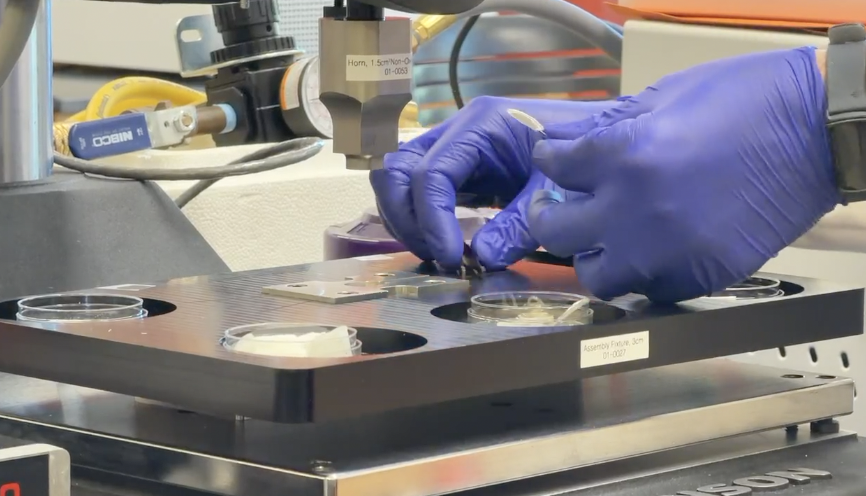
The University of Arizona receives pancreata and isolates and purifies islets from them. Dr. Papas says this is a difficult and costly process. He says they eventually will ship the human islets they isolated and purified to many other labs for their research.
———
Athena Kehoe is a reporter for KGUN 9, she joined the KGUN 9 team in July of 2024 after graduating from Arizona State University. Share your story ideas with Athena by emailing athena.kehoe@kgun9.com or by connecting on X/Twitter.


