



TUCSON, Ariz. (KGUN) — "Did you know that your new cell phone has a big impact on flamingos?" asks Reid Park Zoo's Development Officer Jed Dodds in a short Zoo News segment that’s already getting attention — and for good reason. The Tucson Zoo is warning that the lithium powering our rechargeable devices is being mined from the very high‑salinity mountain lakes flamingos depend on, and it’s urging visitors to recycle old electronics to help protect those fragile wetlands.
VIDEO: Watch the complete 'Zoo News' segment in video below:
Reid Park Zoo's Conservation Supervisor Kristin Ulvestad explains in the segment that many rechargeable batteries rely on lithium, a salt that’s increasingly mined from "salars" — high‑salinity lakes found in Andean highlands and other mountain regions in South America. Those wetlands are critical flamingo habitat, and mining operations often build directly on or near them and use large amounts of fresh water in processing, reducing water available to wildlife and degrading the habitat flamingos need to survive.
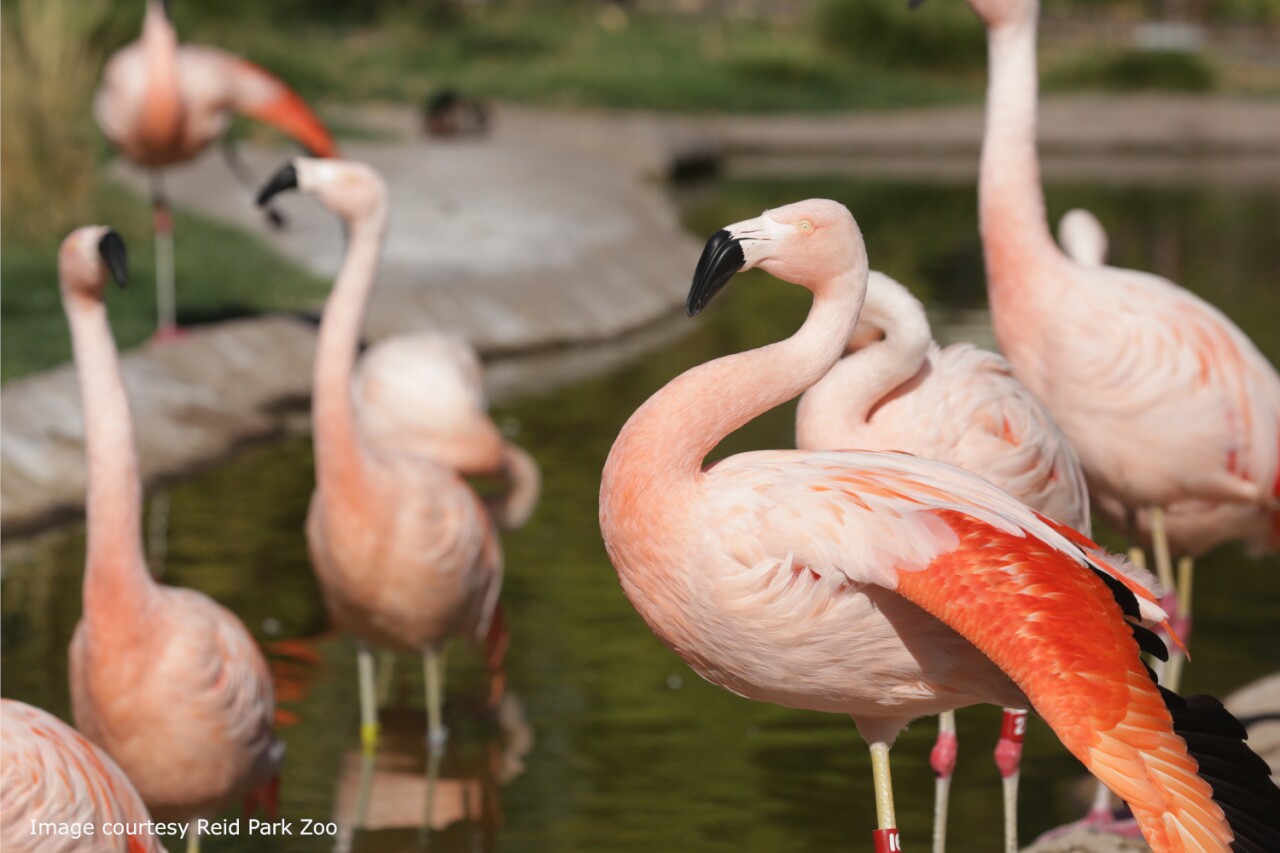
The Zoo highlights two practical ways community members can help: Visiting the zoo supports the Andean Highland Flamingo SAFE program (Saving Animals from Extinction), a conservation effort the zoo participates in. And if you want to do something immediate, bring old electronics to the zoo’s on‑site electronics recycling bin.
How to recycle: The zoo said the recycling program focuses mainly on cell phones because of size and shipping constraints, but the partner company EcoCell will also accept tablets, smartphones, smartwatches and certain camera batteries — with the caveat that devices larger than a tablet are difficult to ship. Dodds stressed that even a single recycled phone helps: “If you have an old cell phone or old electronics, you can bring those and work on protecting flamingos that way as well.” Look for a recycling bin like this one pictured below:

The Zoo says our everyday tech depends on resources that can harm distant ecosystems. By connecting a familiar consumer choice — replacing or upgrading phones — to visible impacts on wildlife, the zoo hopes to turn awareness into small, practical actions that add up. As Dodds puts it, “We hope you learned a lot about flamingos and how something as simple as a cell phone can help save them.”

