

TUCSON, Ariz. (KGUN) — A Tucson woman is sharing her stroke survival story during National Stroke Awareness Month, hoping others will recognize the warning signs before it's too late.
Lori Grijalva suffered a stroke in December 2024 at 64 years old. She says speaking out is important so others can prevent a stroke or know what to do when symptoms begin.
"I never thought that I would have a stroke. I mean, I was at the gym all the time. I thought I was healthy. I eat fairly healthy, so knowing that it can happen to anyone at any time has changed my perspective. I'm trying to get my family to eat better, like do things better, go exercise, and just, yeah, it's changed my perspective that it can happen," Grijalva said.
After being discharged from the hospital in December 2024 following an unrelated surgery, Grijalva noticed something was wrong.
"I was in the shower and noticed I couldn't feel my right arm and I didn't really think anything of it. And then I got out of the shower and got dressed and then I just started feeling really dizzy and nauseous, but I did not think I was having a stroke," Grijalva said.
She waited three hours before going to the hospital — a delay she now knows was too long because it progressed when she got there.
"I couldn't move my right leg, my arm, and I was having trouble speaking, so then I knew it was a stroke," Grijalva said.
She says her life changed immediately.
"Just not being able to do the things that you normally do, and you know, like you know you're different. Depression, anxiety, and then the worst thing is when people tell you you don't look like you had a stroke, but you know what you went through," Grijalva said.
Grijalva says she doesn't have a problem walking, but still drops things a lot on her right side.
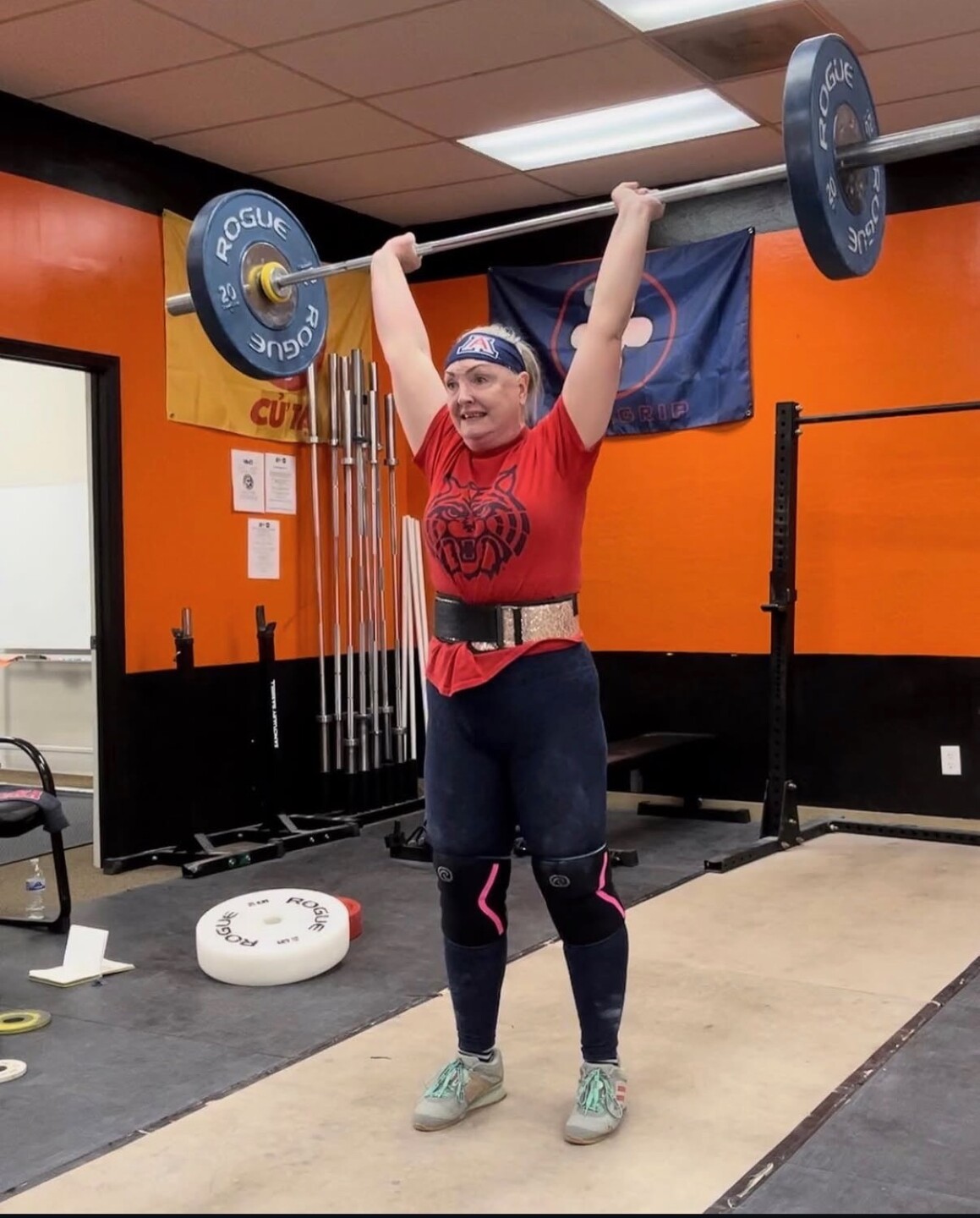
She knows a lot about strength and not just the mental kind. Grijalva is a competitive weightlifter — something she says may have saved her life.
"I still am out there doing it. I love it and so, but it was beneficial. They tell me if you weren't doing that before, your outcome might have been different," Grijalva said.
She started the hobby about eight years ago and never looked back. She says she can't lift as heavy as she used to, but progress is key.

"I just competed in Salt Lake City in April and got gold medals," Grijalva said. "My work day is not done until I'm done with the gym. So I think it's the discipline that you already have from exercising and you use that in your stroke recovery to not feel sorry for yourself, to be disciplined, to know that you're not the same, but still do it."
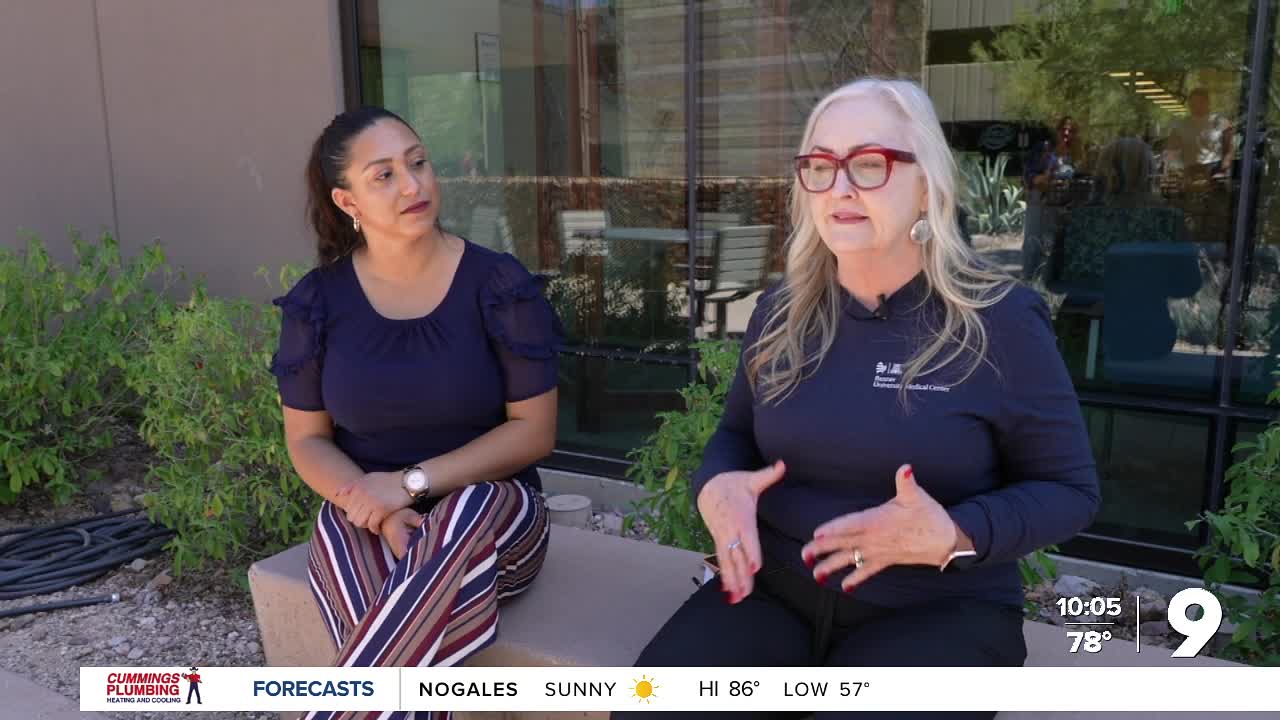
Kinzi Hotchkiss, a stroke nurse navigator at Banner – University Medicine, says 80% of strokes are preventable.
"Hypertension, incredibly important to know what is your blood pressure. Check it at home on a routine basis, high cholesterol, diabetes, what is your blood sugar, what is your A1C, and inactivity, so get active," Hotchkiss said.
She says it recommended 150 minutes per week of moderate exercise. Also adding, do not smoke cigarettes or vape because that puts you at higher risk for cardiovascular events.
Hotchkiss is the first stroke nurse navigator in Tucson. She says Banner recognized a need after discharge because stroke recovery doesn't stop there.
"It can be incredibly difficult to navigate the US healthcare system, and when somebody has suffered a stroke, they don't need additional trouble accessing therapy, a PCP, you know, questions about what happened to them. So it is my role to help ease that transition, to call them after discharge and make sure they feel supported and that they have the information that they need," Hotchkiss explained.
She says the majority of your stroke recovery happens in the first three to six months, so it's very important to work hard after your stroke if you can, and physical recovery can continue to happen for years.
Grijalva says she has come a long way, but her recovery is far from over.
"I work for surgeons, so I have to remember so many things. And that's all good, but the fear of having another one is sometimes debilitating. It's so scary to feel like, is this one? Am I having a stroke?," Grijalva said.
She credits her family and stroke support group as a major part of her journey.
"My husband's amazing. My daughter, everyone took care of me, let me cry, let me complain," Grijalva said.
Grijalva has a large family including six kids, 18 grandchildren and 12 great grandchildren. She hopes her story will inspire them to be healthy and get checked sooner than she did if any symptoms arise.
The faster a stroke is treated, the more likely a patient is to recover. Hotchkiss says learning the B.E. F.A.S.T. acronym can help identify warning signs:
- B — Balance loss
- E — Eye changes
- F — Face drooping
- A — Arm weakness
- S — Speech difficulty
- T — Time to call 911 if any of these symptoms occur
Hotchkiss say it's important to call even if they resolve, because it's still a red flag of a stroke occurring.
You can learn more information on the American Stroke Association website.
If you are interested in the stroke support group Banner – University Medicine holds, visit the Stroke Resource Center.
——
Vanessa Gongora is KGUN 9's Westside reporter.. Vanessa fell in love with storytelling by growing up in sports. She was fascinated by how sports reporters go beyond the x's & o's to tell players' stories, and how sports bring people together, inspiring Vanessa to provide the same impact as a journalist. Share your story ideas and important issues with Vanessa by emailing vanessa.gongora@kgun9.com or by connecting on Facebook, Instagram, and X.