

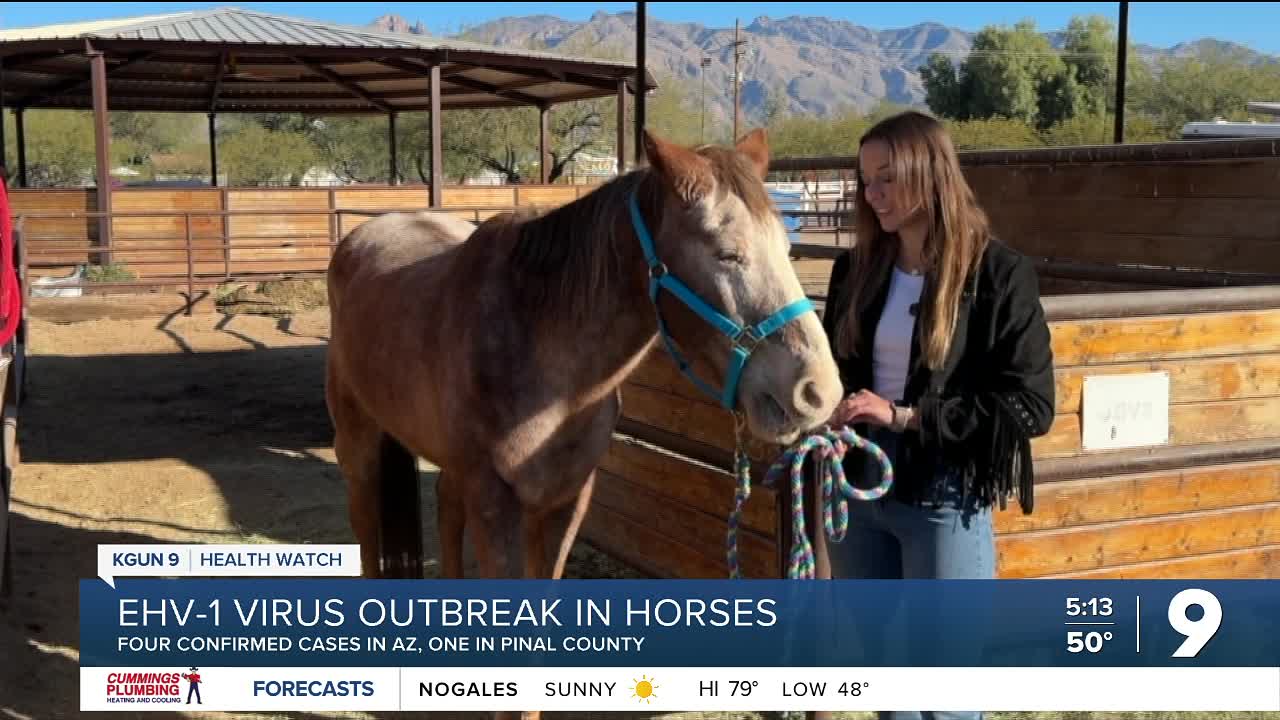


TUCSON, Ariz. (KGUN) — A highly contagious equine virus is spreading across parts of the country, and Arizona veterinarians are urging horse owners to take extra precautions after four confirmed cases in the state.
Equine Herpesvirus-1, or EHV-1, does not infect humans. But people can unintentionally carry the virus on their clothes, hands or equipment and pass it between horses.
The national outbreak began at equestrian events in Texas and Oklahoma. The Arizona Department of Agriculture says the case detected in Pinal County is not known to be connected to those events. That horse was later euthanized.
Within the Pima Medical Institute's Veterinary Technician Program, students are learning proper vaccination techniques. They're learning these techniques at the Therapeutic Ranch for Animals and Kids (TRAK).

“Right in the middle is nice and fleshy where the muscle is, and you can mark your spot with some alcohol there," Katie Foust, the Program Director explains.
Dr. Ariana Monterosso, a veterinarian working with the program, said EHV-1 can show up in subtle ways.
“Ataxia or a wobbly gait while they're walking, inability to use their legs appropriately," are one of the neurological symptoms, she explains.
The virus spreads through both direct horse-to-horse contact and indirect contact with contaminated surfaces.
"It can actually stay in the environment for two days if it's pretty warm out in the sunlight in shadier areas it can be up to 21 days," Monterosso explains.
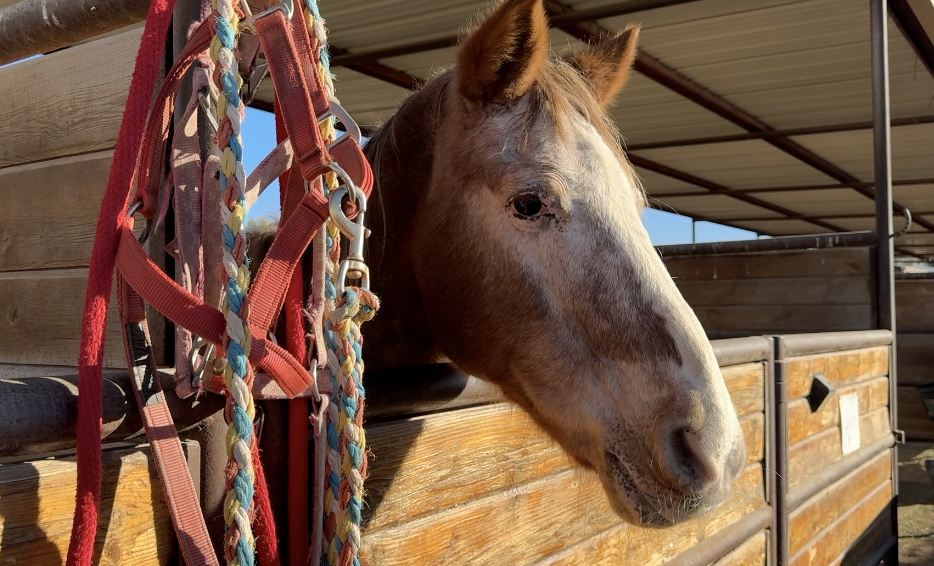
Foust says administering vaccines to horses is different from working with small animals like dogs and cats.
If a horse tests positive, Monterosso says it must be quarantined for at least 28 days.
“If your horses are interacting with other horses outside of your ranch or your property, they're going to be more susceptible to contracting this," Monterosso says.
Monterosso encourages owners to monitor their animals closely and keep up with vaccinations.
She also emphasizes the bond between horses and their caretakers.
“I think they're a really good reflection of us as people and who we are. They're going to give back to you what you give to them and I think that's really nice.”
———
Athena Kehoe is a reporter for KGUN 9, she joined the KGUN 9 team in July of 2024 after graduating from Arizona State University. Share your story ideas with Athena by emailing athena.kehoe@kgun9.com or by connecting on X/Twitter.

----
STAY IN TOUCH WITH US ANYTIME, ANYWHERE


